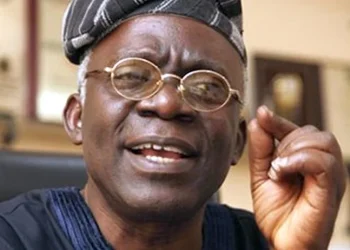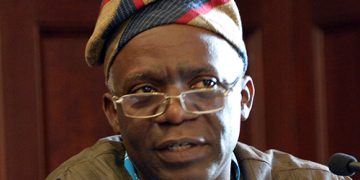


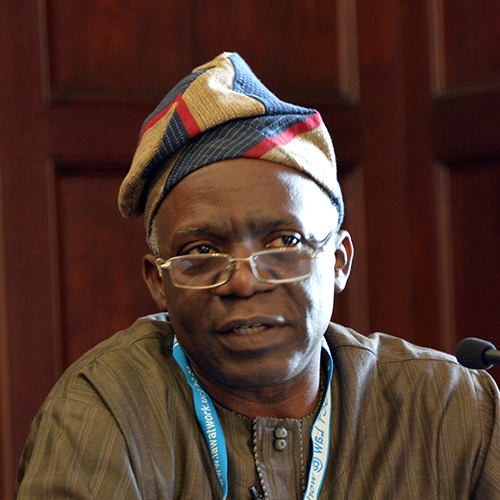
Human rights lawyer, Femi Falana, has called for a drastic reduction in the role of the judiciary in determining the outcome of elections in Nigeria, insisting that courts should not be allowed to decide who wins elections.
Falana, who spoke on Wednesday during an interview on Arise Television’s Sunrise Daily, said the increasing involvement of the courts in electoral disputes was undermining the choices of Nigerians and making a mockery of democracy.
According to him, the judiciary should not be allowed to rely on technicalities to overturn the popular will of voters.
“For me, the first matter to address is the role of the judiciary in the electoral process in Nigeria. We must stop the practice whereby the courts determine the winners of elections in Nigeria,” Falana said.
He expressed concern that there were no clear indications that the Nigerian judiciary was adequately positioned to handle potential electoral challenges that could arise from the 2027 general elections.
Falana stressed that the responsibility of preventing unnecessary electoral litigation rests largely on the Independent National Electoral Commission, INEC, the media and other relevant stakeholders, who must ensure that elections are conducted properly and transparently.
Referring to the recent governorship election in Osun State, Falana said the ultimate goal should be to conduct elections in a manner that clearly reflects the will of the people, thereby limiting the need for legal battles.
“We just had an election in Osun State. Forget all the shortcomings, at the end of the day, the beauty of it will be that the governorship election will not go to court because the people have decided, they have elected their leader,” he said.
“So, no court should be allowed to hide under technicalities to make a mockery of the popular choice of the people.”
Falana maintained that the judiciary’s role in Nigeria’s democratic process must be “extremely limited,” arguing that credible elections with accurate results would significantly reduce the number of cases taken before election tribunals and appellate courts.
“We must start with the conduct of good elections so that our courts are limited in the democratic process,” he added.