

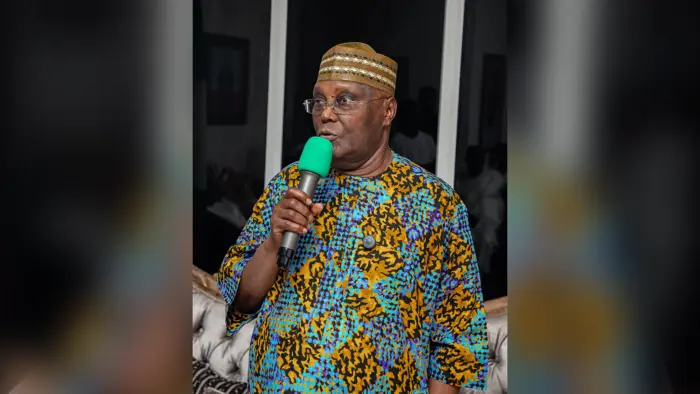
Former Vice President and African Democratic Congress (ADC) presidential candidate, Atiku Abubakar, has reaffirmed his plan to restore a targeted petrol subsidy if elected president in 2027.
Atiku said the removal of petrol subsidy had increased transportation and food costs and placed additional pressure on Nigerian households. He argued that government has a responsibility to protect citizens from excessive economic hardship.
The former vice president said his proposed approach would focus on providing relief to Nigerians while also supporting local production, businesses and improved purchasing power.
However, the Presidency has challenged Atiku to provide details of how the proposed subsidy would work, including its estimated cost, funding source, beneficiaries and conditions for eventually ending the programme.
Presidential spokesman Bayo Onanuga questioned the different explanations that had emerged from Atiku’s camp concerning the policy. Atiku’s spokesperson, Paul Ibe, had initially indicated that the subsidy would be restored temporarily before being phased out, while another aide, Phrank Shaibu, later described that explanation as unauthorised. Atiku subsequently reaffirmed that his position had not changed.
The disagreement has therefore become a major economic policy issue ahead of the 2027 presidential election.
The Presidency has also raised concerns about the potential financial implications of the proposal. Senior Special Assistant to President Bola Tinubu on Digital and New Media, Otega Ogra, estimated that the proposed subsidy could cost the country ₦19.1 trillion annually under certain assumptions. The figure and assumptions were presented by Ogra and have not been independently verified.
Ogra questioned how the government would finance such an intervention and whether the proposed policy would be sustainable over time.
The Presidency argued that Nigeria needs a clear and transparent petroleum policy, particularly after the government removed the petrol subsidy in 2023.
Atiku, however, has maintained that the savings from subsidy removal should be accounted for and used to improve the welfare of Nigerians.
He also challenged President Tinubu to provide evidence concerning allegations linked to his past involvement in the power sector, insisting that if there is evidence of wrongdoing, he should be investigated and prosecuted.
Atiku argued that the controversy surrounding the subsidy should not distract from questions about how the funds saved from its removal have been managed.
The debate comes amid growing political activity ahead of the 2027 general elections, with economic policies expected to be a major issue in the campaign.
Petrol prices, inflation, transportation costs, food prices and household purchasing power are likely to remain central to discussions between the ruling party and opposition candidates.
Atiku’s proposal has consequently opened a wider debate over whether government intervention in petrol pricing should return and, if so, how such a programme could be designed without creating an unsustainable burden on public finances.
The Presidency insists that any proposed subsidy must be properly costed and transparently funded, while Atiku maintains that targeted government support can provide relief to Nigerians struggling with rising living costs.
As the 2027 election approaches, the competing positions are expected to feature prominently in the economic debate between Atiku and the Tinubu administration.