

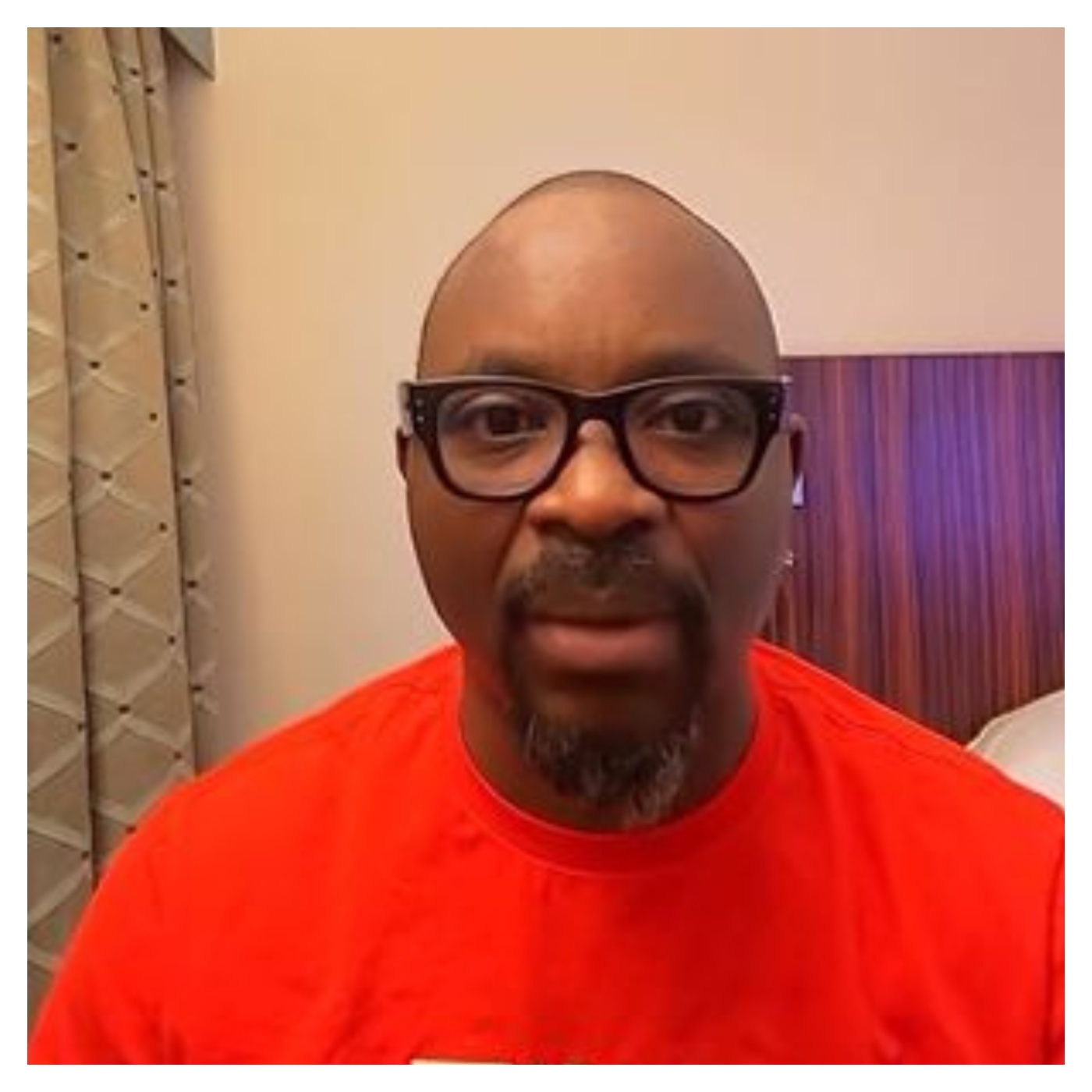
Nigerian businessman and political commentator, Isaac Fayose, has reacted strongly to recent comments by the Minister of the Federal Capital Territory (FCT), Nyesom Wike, concerning the outcome of the Osun State governorship election.
Fayose criticised Wike’s remarks and suggested that the former Rivers State governor may be underestimating the changing political dynamics in the country.
In a statement reacting to Wike’s position, Fayose expressed confidence that political developments could produce unexpected outcomes, warning that those who make strong political predictions should not assume that events will unfold exactly as anticipated.
The reaction comes after the August 15, 2026 Osun governorship election, which generated significant political interest across the country.
The election was won by Governor Ademola Adeleke, who secured a second term in office after defeating the All Progressives Congress (APC) candidate, Bola Oyebamiji.
The outcome has continued to generate reactions from politicians, political parties and supporters, particularly because of the intense competition that preceded the election.
Wike had commented on the Osun election and its political implications, prompting Fayose to respond publicly.
Fayose, in his reaction, questioned the certainty of some of the political positions being expressed following the election. He suggested that politicians should be cautious about making definitive predictions about future electoral contests.
The businessman also appeared to caution political leaders against assuming that the outcome of one election automatically determines what will happen in subsequent elections.
According to Fayose, political circumstances can change rapidly, while voters can also alter their preferences depending on prevailing circumstances, leadership performance and the issues presented before them.
His comments have added another dimension to the ongoing debate over the significance of the Osun election and what it could mean for the 2027 general elections.
The Osun poll is being closely watched by political observers because it provides an indication of the strength of the major political parties ahead of the next general elections.
The result has also triggered fresh discussions about political alliances, voter preferences and the ability of parties to mobilise support at the grassroots.
Fayose’s response comes at a time when political actors across Nigeria are already positioning themselves for the 2027 elections. Several politicians have either declared their ambitions or begun consultations with political stakeholders and supporters.
The businessman urged political actors to remain humble and avoid assuming that their current political influence would remain unchanged.
He also suggested that political leaders should pay greater attention to the wishes of ordinary Nigerians rather than relying solely on political calculations.
The reaction has generated discussion among political supporters, particularly on social media, with different groups interpreting Fayose’s comments according to their political affiliations.
The exchange between Fayose and Wike also reflects the increasingly intense political discourse ahead of 2027, as politicians continue to assess recent electoral developments and their implications for future contests.
As preparations for the next general elections gather momentum, more reactions are expected from political leaders and stakeholders seeking to interpret the lessons of the Osun election.
For now, Fayose’s warning serves as a reminder that Nigeria’s political landscape remains fluid and that electoral outcomes can significantly alter political calculations.