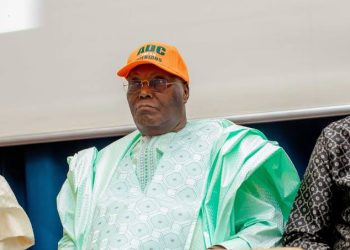
The African Democratic Congress (ADC) in Benue State has zoned its state chairmanship position to Benue North-West (Zone B), a decision that comes amid growing agitation for the governorship ticket to be ceded to the Idoma-speaking area of the state.
The zoning arrangement, announced by party stakeholders, is seen as part of ongoing efforts to balance political interests across the three major zones in Benue ahead of the 2027 general elections.
Benue State is politically divided into three zones: Zone A (Benue North-East), Zone B (Benue North-West), and Zone C (Benue South), which is predominantly occupied by the Idoma ethnic group. Over the years, there have been persistent calls for equitable power rotation among these zones, especially regarding the governorship position.
The latest move by the ADC to allocate its chairmanship to Zone B is widely interpreted as a strategic attempt to address internal party dynamics while responding to demands from other regions. Political observers suggest that the decision could be linked to the increasing pressure for the governorship ticket to be zoned to Zone C, where many argue that the Idoma people have been politically marginalised.
Stakeholders within the party believe that zoning key positions across different zones will help promote inclusiveness and reduce internal conflicts. By allocating the chairmanship to Zone B, the ADC may be positioning itself to make concessions in other areas, particularly the governorship ticket, which remains a major point of contention.
The agitation for an Idoma governor in 2027 has been gaining momentum, with various groups and political actors insisting that it is time for Zone C to produce the state’s chief executive. They argue that fairness and equity demand that leadership be rotated to ensure all parts of the state have a sense of belonging.
This demand has also been echoed in broader political discussions across Benue, where issues of marginalisation and representation continue to shape political alignments ahead of the elections. The call for zoning the governorship to the Idoma area is expected to influence party strategies and candidate selection processes.
Meanwhile, the ADC leadership maintains that its zoning decisions are aimed at strengthening party unity and preparing for a competitive outing in 2027. The party, which has been gaining attention following recent political realignments at the national level, is working to expand its influence in key states, including Benue.
Political analysts note that how the ADC manages zoning and internal expectations could significantly impact its performance in the state. While zoning is often used as a tool for balancing interests, it can also generate disputes if not handled carefully.
As preparations for the 2027 elections intensify, the situation in Benue highlights the broader challenges facing political parties in Nigeria—balancing regional demands, maintaining unity, and positioning for electoral success.
The coming months are expected to witness more negotiations, alliances, and strategic decisions as parties continue to respond to growing political pressures and voter expectations across the state.