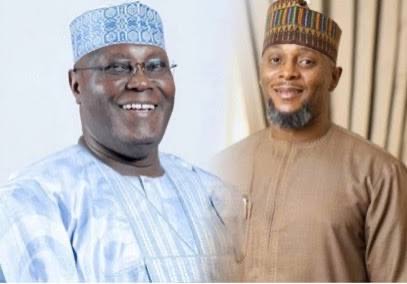
In a surprising political development, Mustapha Atiku, son of former Vice President Atiku Abubakar, has resigned from his position as Commissioner in the Sokoto State Government. The announcement has sparked reactions across political circles as details emerge about the reasons behind his decision.
Mustapha Atiku voluntarily stepped down from his appointment as Commissioner for Works and Housing in Sokoto State, tendering his resignation to Governor Ahmad Aliyu. He cited personal reasons and a desire to explore new opportunities in both public engagement and private endeavours as the primary motivations for his departure from the state executive council.
In his resignation letter, Mustapha expressed appreciation to Governor Aliyu for the opportunity to serve and highlighted his gratitude to the people of Sokoto State for their support during his tenure. He said the experience had helped him acquire valuable insight into governance and the challenges of public infrastructure delivery.
Sources close to Mustapha indicate that he plans to engage more deeply in national political conversations, particularly as the 2027 general election cycle gathers momentum. Though he did not indicate a specific political ambition in his letter, party stakeholders and analysts believe his resignation may signal a strategic repositioning ahead of the next major polls.
Despite stepping down from his commissioner role, Mustapha is expected to remain active within the Peoples Democratic Party (PDP), where his father, Atiku Abubakar, is a senior figure and former presidential candidate. The PDP has yet to issue an official response to his resignation, but sources say party leaders are supportive of his decision and are likely to consult with him on future roles.
Political commentators argue that the timing of Mustapha’s exit from the Sokoto State cabinet — less than two years before the 2027 elections — suggests his focus may now be on broader political engagement beyond state executive duties. Some observers speculate that his experience in government and his family’s political legacy could make him a key player in party strategy, campaign activities or policy advocacy.
Responses from the public have been mixed. Supporters of Mustapha praised his tenure for efforts to improve road networks and housing projects across the state, while critics emphasised that political appointees should always prioritise competence and delivery over family influence. Either way, his resignation has stirred conversations about generational leadership within Nigerian politics.
Sokoto State Governor Ahmad Aliyu accepted Mustapha’s resignation and thanked him for his service, wishing him success in his future endeavours. Governor Aliyu also announced plans to appoint a successor soon, as administrative continuity in the Works and Housing ministry remains a priority.
As the news continues to generate attention, political analysts say this move could signal a shift in Mustapha’s personal focus toward national engagement, including greater involvement in party structures or leadership campaigns. They note that as Nigeria heads toward another pivotal election year, figures with political pedigree and public service experience — like Mustapha — are likely to play active roles in shaping debates and strategies.
For now, all eyes are on what the next steps will be for Mustapha Atiku and how his resignation might influence political dynamics within Sokoto State and the wider political landscape.