


A new study has highlighted poverty, transportation difficulties, and social isolation as persistent drivers of poor health among Lagos residents, years after the COVID-19 pandemic reshaped living conditions in Nigeria’s commercial capital.
The research, conducted by Omobolanle Agboola, a PhD candidate in nursing at the University of Minnesota, examined how economic and environmental factors continue to shape the health outcomes of Lagosians. Findings revealed that income insecurity remains the most pressing challenge, cutting across urban and rural communities.
According to Agboola, 88.1 percent of the 180 respondents surveyed said they did not earn enough to meet their daily needs, while 75.6 percent stressed an urgent need for financial assistance. The study used the health informatics tool MyStrengths+MyHealth to capture a broad spectrum of determinants ranging from biological and behavioural to social and environmental factors.
Although some participants reported positive indicators such as good hearing ability and the absence of substance use, widespread vulnerabilities were still observed. The most common struggles involved unstable income, low physical activity, weak social connections, and unsafe living or working environments.
The report underscored the deep link between poverty and poor health outcomes. It noted that financial hardship fuels poor housing conditions, limited nutrition, restricted access to healthcare, and reduced social well-being. Researchers cautioned that income insecurity not only undermines health in the short term but also increases the risk of chronic illnesses and early mortality.
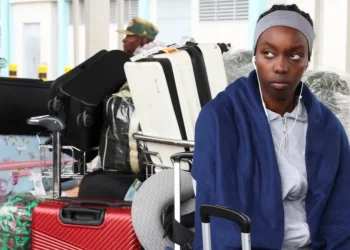
Transportation challenges were also identified as a major barrier to healthcare and other services. Nearly half of the respondents (48.1 percent) cited mobility difficulties as a significant obstacle, while 37.5 percent reported safety concerns from dangerous traffic, and 43.8 percent flagged high exposure to pollution. These concerns reflect how urban infrastructure contributes directly to health risks.
Interestingly, the study found that health disparities between rural and urban dwellers have narrowed since the pandemic. While rural communities previously faced greater disadvantages, economic shocks and lifestyle changes brought by COVID-19 have left both groups struggling at similar levels.
The survey further revealed that 54.4 percent of respondents could only afford basic necessities, while 48.8 percent admitted they struggled to purchase essential items. Many also reported spending less time in social activities, alongside increased sedentary lifestyles factors that have negatively impacted overall quality of life.
The researchers emphasized that addressing social determinants such as income security, transport access, and social connectedness is vital to improving public health outcomes. They called for joint efforts by government, civil society, and local communities to create financial stability, expand transport and healthcare access, and reduce inequality.
“Poverty is a complex challenge that demands sustained action grounded in social justice and health equity,” the report concluded, stressing that collective responsibility is required to prevent worsening health crises in Lagos.