

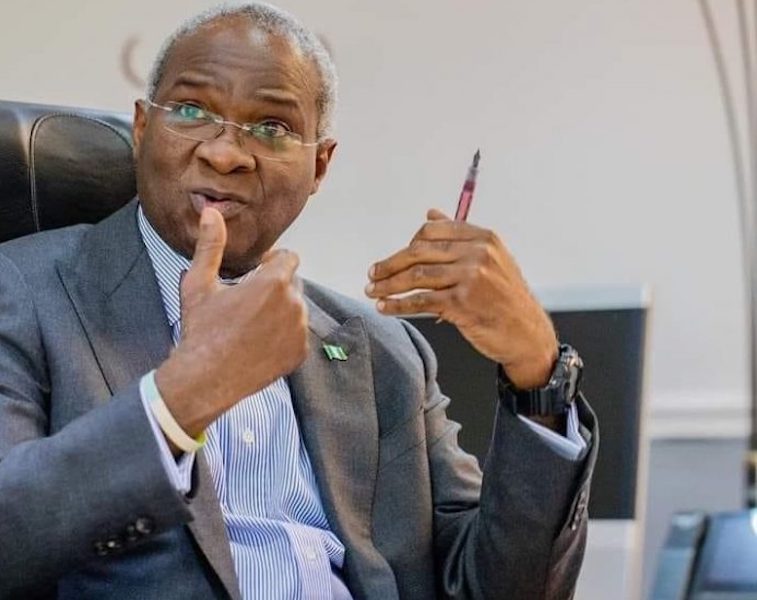
Fashola made this known during an exclusive interview with Arise News, where he reflected on the APC’s unexpected defeat in Lagos in the 2023 presidential contest and the party’s preparations for the 2027 elections.
Recall that Obi, who contested under the Labour Party in 2023, defeated President Bola Tinubu in Lagos State, polling 582,454 votes against Tinubu’s 572,606 votes.
Describing the outcome as unexpected, Fashola admitted that the ruling party did not anticipate losing the state, which has remained a major political stronghold of Tinubu.
He said, “We were blindsided. It won’t happen again.”
Explaining the circumstances surrounding the defeat, the former governor said the party’s pre-election surveys did not indicate that Lagos was likely to become a battleground.
“Lagos didn’t look like a battleground at the time, not from the numbers,” he stated.
Fashola, however, rejected suggestions that the APC had taken the state for granted, insisting that the party’s internal assessments had informed its expectations.
He maintained that the APC recovered quickly from the presidential election setback by reclaiming the state during the subsequent governorship election.
On the possibility of Obi repeating his performance in 2027, Fashola expressed confidence in the APC’s chances, urging Nigerians to consider the party’s record and leadership.
He said, “That is now history. What is upon us should be January 16 and why people must vote APC for all of the work that has been done, for the leadership that has been shown, for the ability to work with others and the resilience to confront problems.”
The former governor also defended Tinubu’s political leadership, arguing that his ability to maintain relationships with longtime allies and attract former political opponents demonstrated his capacity to manage Nigeria’s diversity.
Fashola further urged political parties to focus on issue-based campaigns rather than resorting to hate speech, intimidation or attacks on opponents.
He described democracy as a contest of ideas, stressing that politicians should present their records and policies to voters without damaging the reputations of others.