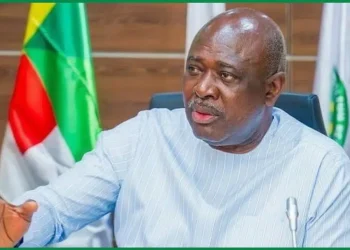


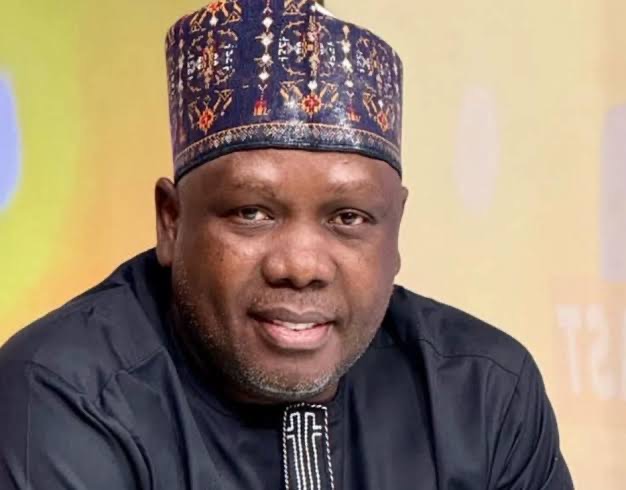
Daniel Bwala, Special Adviser to President Bola Tinubu on Policy Communication, has alleged that Rabiu Musa Kwankwaso is supporting Peter Obi’s 2027 presidential ambition as part of a long-term political strategy to strengthen his chances of contesting the presidency in 2031.
Bwala made the allegation during an appearance on Channels Television’s Politics Today, aired on Thursday, November 26, 2026.
According to the presidential aide, Kwankwaso’s decision to align with Obi under the Nigeria Democratic Congress (NDC) is driven partly by his alleged ambition to secure broader political acceptance across the country, particularly in southern Nigeria, ahead of a possible presidential bid in 2031.
Bwala claimed that Kwankwaso believes Obi would not win the 2027 presidential election but considers the political alliance an opportunity to build relationships and establish goodwill among Obi’s supporters in the South.
He argued that Kwankwaso could eventually benefit from that relationship if he decides to contest the presidency in 2031, as voters in the region might be more willing to support him because of his association with Obi.
Speaking during the interview, Bwala said: “Kwankwaso, I have reason to believe, has joined Obi because of his 2031 ambition. He knows Obi will not win, but he needs a cross appeal.”
He further explained that Kwankwaso could use his current political relationship with the former Anambra State governor to strengthen his acceptance among southern voters when the time comes for him to pursue his own presidential ambition.
“When the time comes, he [Kwankwaso] wants to run, the southern people [will say], ‘So, he supported our Peter Obi; let us support him.’ He knows for a fact Obi is not going anywhere,” Bwala added.
The presidential aide also questioned Obi’s reasons for seeking the presidency in 2027, alleging that the former governor was more interested in maintaining public attention and political relevance than securing victory at the polls.
Bwala claimed that Obi was aware of the challenges facing his presidential ambition but had chosen to remain in the race because of the publicity and other political benefits associated with contesting an election.
“Peter Obi also knows he will not win, but he’s in the race for—running for election because it keeps him in the news, and then there are other consequential benefits that follow him,” he stated.
Bwala also turned his criticism towards social media influencers and content creators associated with Obi, accusing them of using the former governor’s political activities to attract online engagement and generate revenue.
He described the relationship between Obi, his supporters and the content creators as mutually beneficial, arguing that the political activities provided visibility for the former governor while creating opportunities for online personalities to earn money.
The presidential aide maintained that President Tinubu would defeat his political opponents in the 2027 general election, dismissing Obi’s chances in the contest.
However, Bwala’s comments represent his personal assessment of the political calculations behind the Obi-Kwankwaso alliance. He did not present independent evidence establishing that Kwankwaso’s support for Obi is motivated by a planned 2031 presidential bid.
Obi and Kwankwaso are expected to feature prominently in the NDC’s 2027 presidential ticket, with their political alliance drawing attention as parties and political figures position themselves ahead of the next general election.
Bwala’s remarks have added another dimension to the political debate surrounding the opposition alliance, particularly questions about its long-term objectives and the individual ambitions of its leading figures.