

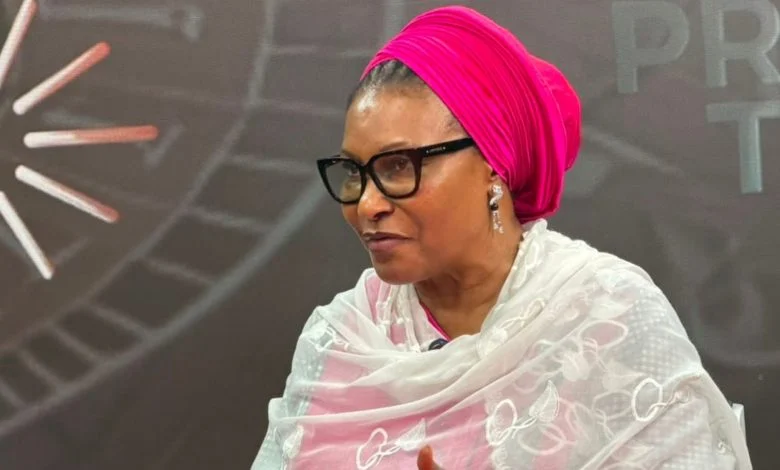
Senator Ireti Kingibe has warned Nigerians about a possible tax burden after the 2027 general election, claiming that a law requiring citizens to pay 25 per cent of their earnings in tax has already been passed by the National Assembly.
Kingibe, who represents the Federal Capital Territory (FCT) in the Senate, made the remarks in a video while addressing supporters, according to a report by Politics Nigeria published on Monday, October 19.
She alleged that Nigerians were unaware of the policy and suggested that its implementation could be delayed until after the elections.
“They passed the policy, but fear won’t let them implement it until after the elections,” she reportedly said.
The senator’s comments have drawn attention to the country’s tax reforms and the potential implications for workers, business owners and other income earners already facing economic pressures.
However, the claim that every Nigerian will pay 25 per cent of their earnings in tax does not reflect the published provisions of the Nigeria Tax Act 2025.
The Act, which took effect on January 1, 2026, introduced a progressive personal income tax system under which different portions of taxable income are taxed at different rates.
Under the framework, the first ₦800,000 of taxable income is taxed at zero per cent. The applicable rates then rise through 15, 18, 21 and 23 per cent, with the highest rate of 25 per cent applying to taxable income above ₦50 million.
This means the 25 per cent rate is not a flat charge imposed on every Nigerian’s earnings. The amount of personal income tax payable depends on the applicable income brackets and other relevant provisions of the law.
The Federal Government has previously said the tax reforms are intended to improve tax administration, broaden compliance and create a more progressive system, rather than simply increase tax rates.
Kingibe’s allegation that implementation of the policy would begin after the 2027 election also raises questions, given that the new tax framework has already commenced.
The specific provision she referred to would need to be identified and verified against the enacted legislation before her claim could be accepted as an accurate account of the law.
The issue is likely to remain part of public debate ahead of the 2027 elections, as Nigerians seek clear information about their tax obligations and the impact of the reforms on household incomes and businesses.