

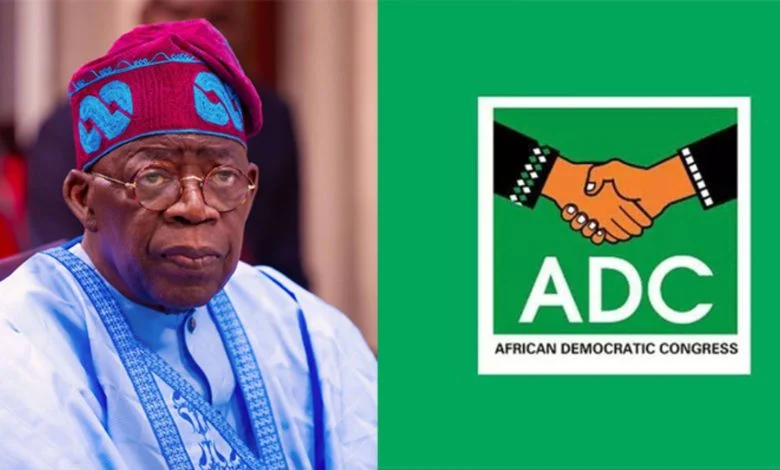
The African Democratic Congress (ADC) Presidential Campaign Council has urged Nigerian youths to vote against President Bola Ahmed Tinubu and the ruling All Progressives Congress (APC) in the 2027 general election.
The opposition party made the appeal amid growing political activities ahead of the next presidential election, calling on young Nigerians to use their voting power to demand better leadership and improved living conditions.
The ADC’s position comes as political parties intensify preparations for the 2027 polls, with economic hardship, insecurity, unemployment and the rising cost of living expected to feature prominently in campaign debates.
The party has repeatedly criticised the Tinubu administration over the economic challenges facing Nigerians, arguing that the government should be held accountable for its policies and performance since taking office in May 2023.
The ADC Presidential Campaign Council has also questioned Tinubu’s reported plan to personally campaign in only 12 states, arguing that a president seeking re-election should be prepared to engage voters across the country.
The council’s Director of Media and Publicity, Kola Ologbondiyan, has maintained that Nigerians deserve an opportunity to question the president about his administration’s record before deciding whether to renew his mandate.
According to the opposition campaign team, young people have an important role to play in determining the outcome of the 2027 election, particularly given their influence on voter participation and national political debates.
The ADC has called on youths to reject what it describes as continued hardship under the APC and support an alternative political direction.
The party is also promoting the presidential ambition of former Vice-President Atiku Abubakar, who is expected to campaign on economic recovery, wealth creation, improved security and better living standards if elected.
The opposition has argued that the 2027 election presents an opportunity for Nigerians to assess the performance of the current administration and decide which candidate can best address the country’s challenges.
However, the APC and supporters of the president have continued to defend Tinubu’s policies, maintaining that the administration’s reforms are intended to strengthen the economy and address longstanding structural problems.
As political mobilisation gathers momentum, the appeal to Nigerian youths highlights the growing importance of young voters in the contest for the presidency.
The final outcome will depend on voters’ decisions at the polls, as political parties seek to convince Nigerians that their candidates offer the most effective solutions to the country’s economic and security challenges.