Judges occupy a distinctive place in society. Their profession demands discretion, discipline and a high level of personal integrity, keeping them largely away from public attention. Beyond their courtroom responsibilities, they carry the weight of making decisions that can significantly affect the lives, rights and freedoms of citizens.
The appointment of a judicial officer therefore represents more than the assumption of a new position. Once robed and addressed as “My Lord,” a judge becomes an important symbol of the justice system and is entrusted with responsibilities that require independence, dignity and fairness.
This naturally raises questions about the welfare of those serving within the judiciary. Having committed themselves to administering justice, should judicial officers be left without adequate working conditions, security and other basic support required to perform their duties effectively?
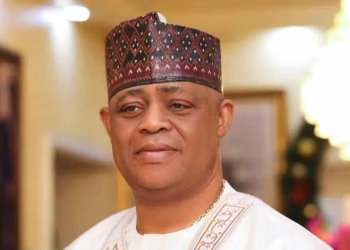
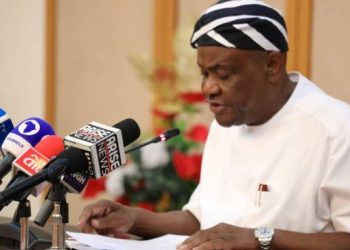
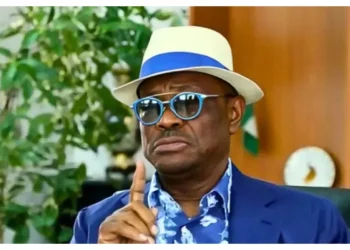
Against the backdrop of Nigeria’s current economic difficulties, Nyesom Wike’s recent attention to the welfare of members of the judiciary may attract different interpretations. However, the intervention can also be viewed as an attempt to recognise a section of the public service whose contributions often receive limited attention.
As Minister of the Federal Capital Territory, Wike has made infrastructure development a major focus of his administration. Roads, public facilities and other projects have featured prominently in his activities across Abuja, reflecting his emphasis on physical development.
The discussion, however, extends beyond the judiciary. Nigeria’s three arms of government have different responsibilities, but concerns have repeatedly been raised over disparities in the resources and welfare available to them.
Judicial officers have faced challenges involving working facilities, security arrangements and access to modern resources. Addressing such concerns is therefore part of the broader conversation about strengthening Nigeria’s justice system.
Wike’s intervention should also be considered alongside the infrastructure projects being executed across the FCT. His administration has undertaken road rehabilitation and other construction projects intended to improve movement and public infrastructure in the nation’s capital.
For ordinary Nigerians, the value of government programmes is often measured by their effect on daily life. Functional roads, improved public facilities and better services can make a direct difference to residents.
As political activities increase ahead of the next election cycle, public officials will face growing expectations to demonstrate measurable results. Governors and ministers alike will be expected to show how their policies and projects translate into improvements for citizens.
Another major issue requiring urgent attention is the rising cost of living. The price of Premium Motor Spirit remains a significant concern because fuel costs influence transportation expenses and the prices of goods and services.
President Bola Tinubu’s earlier call for Nigerians to have room to “breathe” has therefore remained relevant amid economic pressures. Sustained efforts to reduce hardship and improve living standards will be necessary to give practical meaning to that message.
Ultimately, effective governance should focus on both institutions and ordinary citizens. Strengthening the judiciary, improving infrastructure and addressing economic hardship are all important aspects of building a society where Nigerians can live with greater dignity, security and opportunity.