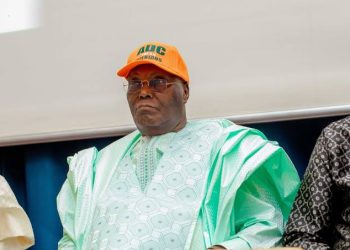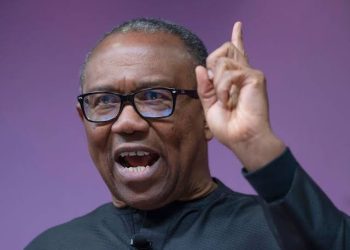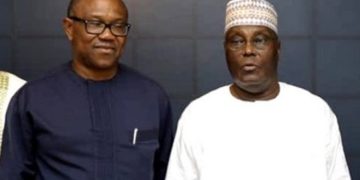


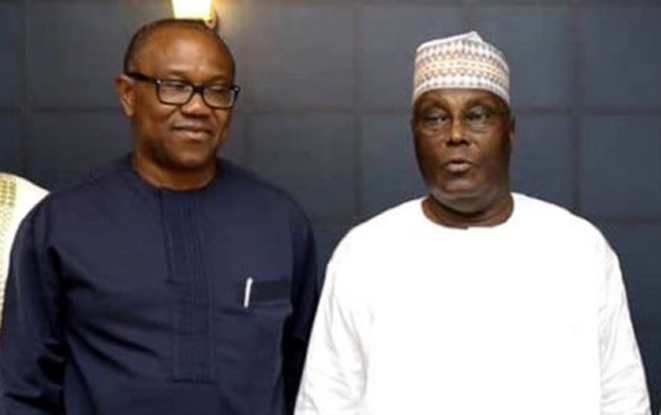
Efforts by opposition groups to produce a consensus presidential candidate ahead of the 2027 general elections have encountered fresh challenges, as former Vice President Atiku Abubakar, former Anambra State Governor Peter Obi and Oyo State Governor Seyi Makinde have maintained their presidential ambitions.
The three politicians are currently the presidential candidates of the African Democratic Congress (ADC), Nigeria Democratic Congress (NDC) and Allied Peoples’ Movement (APM), respectively.
Their positions have complicated ongoing efforts by the G-100 Alliance, a coalition of opposition political groups and stakeholders seeking to unite the opposition behind a single candidate capable of challenging the ruling All Progressives Congress (APC) and President Bola Tinubu.
A member of the G-100, Ambassador Umanu Elijah, said consultations were ongoing and expressed confidence that the group would arrive at a consensus candidate by September 30.
According to him, the group recently held its first summit in Abuja, where representatives of six opposition parties discussed possible areas of cooperation ahead of the 2027 elections.
Elijah said the group would continue engaging the various presidential candidates, with the expectation that other aspirants and parties would eventually support the consensus candidate.
However, Atiku’s camp has made it clear that the former vice president intends to contest the 2027 presidential election.
An ally of Atiku said the former vice president remained open to discussions and political alliances but maintained that he would not withdraw his ambition.
The source said Atiku had been instrumental in the formation of the opposition coalition that resulted in the ADC and argued that other opposition figures should rally behind him.
Similarly, the APM said Makinde remained firmly in the presidential race and was contesting to win the election.
The party’s National Publicity Secretary, Abubakar Yusuf, said ongoing discussions about a consensus candidate did not mean Makinde had stepped down, adding that the Oyo governor could still emerge as the preferred candidate.
The NDC also said it was open to discussions on a single opposition candidate but insisted that Obi remained one of the strongest contenders.
The party’s National Publicity Secretary, Osa Director, said the NDC believed Obi had a strong chance of emerging as the consensus candidate.
Meanwhile, other opposition parties have also rejected pressure to withdraw their candidates.
The African Action Congress (AAC) presidential candidate, Omoyele Sowore, rejected the idea of producing a single opposition candidate without a common ideology, clear programme and commitment to fundamental reforms.
The Democratic Leadership Alliance (DLA) and Action Democratic Party (ADP) similarly said their candidates would not step down for other aspirants.
However, Young Progressives Party presidential candidate Peter Agada said he could consider a consensus arrangement if it was based on a clear ideology and development framework.
The growing disagreement highlights the difficulty facing opposition groups as they seek to form a united front against the APC ahead of the 2027 presidential election.