

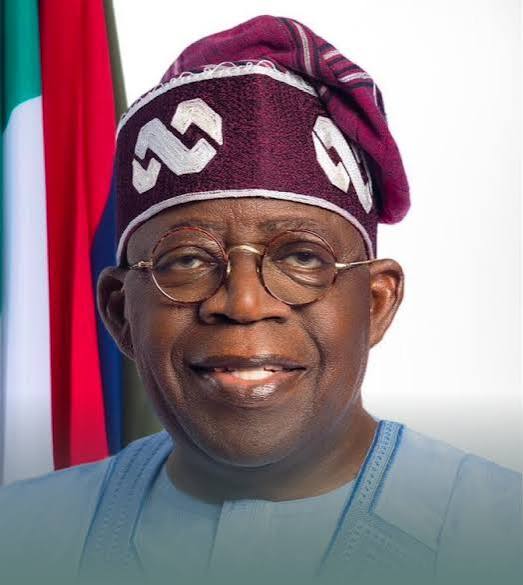
President Bola Tinubu has called on the Council for the Regulation of Engineering in Nigeria (COREN) to strengthen engineering regulation by enforcing stricter compliance measures and applying appropriate sanctions against professionals who violate established standards.
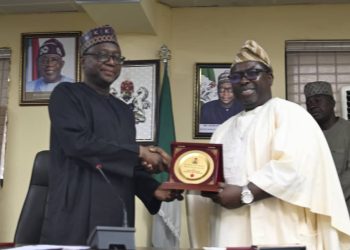
The President made the call while declaring open the 34th Engineering Assembly held in Abuja. Represented by the Minister of Works, David Umahi, Tinubu stressed the need for a more proactive regulatory system that prioritises public safety, accountability and the delivery of durable infrastructure across the country.
According to the President, engineering regulation should go beyond responding to failures after they occur. He said the country needs a preventive approach that identifies risks early, ensures strict compliance with professional standards and protects lives and public investments. He added that effective regulation remains essential to reducing infrastructure failures and improving confidence in public projects.
Tinubu noted that engineering plays a vital role in national development, covering roads, bridges, buildings, power systems and other critical infrastructure. He emphasised that every engineering project should place public safety above every other consideration, warning that poor engineering practices can lead to loss of lives, destruction of property and significant economic losses.
He also reaffirmed the Federal Government’s commitment to delivering quality infrastructure capable of serving Nigerians for many decades. According to him, ongoing road projects under the current administration are being designed to achieve longer service life through improved engineering standards and better supervision.
Speaking at the event, COREN President, Prof. Sadiq Zubair Abubakar, said the Assembly’s theme reflects the council’s determination to strengthen engineering governance and protect the public through effective regulation. He disclosed that the council has expanded compliance inspections nationwide, improved digital registration systems and intensified monitoring of engineering activities across the country.
Abubakar acknowledged that challenges such as unqualified practitioners, weak compliance with engineering standards and deteriorating infrastructure continue to affect the profession. He called for stronger collaboration among government agencies, professional bodies and industry stakeholders to improve engineering practice and prevent avoidable failures.
Also addressing participants, President of the Dangote Group, Aliko Dangote, represented by the company’s Chief Economist, Prof. Hassan Mahmoud, described engineering excellence as a key driver of economic growth and investor confidence. He urged regulators to enforce standards fairly while ensuring that sanctions distinguish between minor administrative lapses and serious professional misconduct.
Stakeholders at the Assembly agreed that stronger regulation, continuous professional development and effective enforcement are essential to improving the quality of engineering services in Nigeria. They maintained that strengthening engineering governance would help reduce infrastructure failures, protect public resources and promote sustainable national development.
The Engineering Assembly brought together government officials, engineering professionals, academics and industry leaders to discuss practical strategies for improving engineering regulation and advancing public safety across Nigeria. Participants expressed optimism that the recommendations from the conference would contribute to a safer and more reliable infrastructure sector in the years ahead.