


The Independent National Electoral Commission (INEC) has expressed concern over the increasing loss of experienced personnel as preparations gather pace for the 2027 general elections, warning that inadequate staff welfare and funding could affect the commission’s long-term operational capacity.
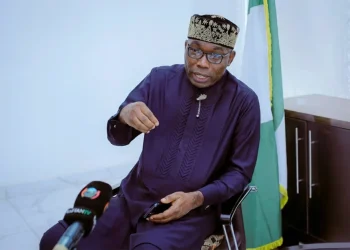
INEC Chairman, Prof. Joash Amupitan, raised the concern during a meeting with the leadership of the Revenue Mobilisation Allocation and Fiscal Commission (RMAFC) in Abuja. He said the commission has witnessed the departure of skilled employees in recent years, largely because of poor remuneration, while many senior officials are also approaching retirement.
According to Amupitan, the growing shortage of experienced personnel could weaken institutional capacity if urgent measures are not taken to improve staff welfare and retain qualified workers. He stressed that experienced employees play a vital role in election planning, logistics, voter registration, technology management and the overall administration of credible elections.
The INEC chairman also appealed for improved funding to enable the commission to effectively discharge its constitutional responsibilities. He explained that the commission’s duties extend beyond conducting elections to include continuous voter registration, political party registration, electoral monitoring, civic education and other statutory functions carried out throughout the electoral cycle.
Amupitan noted that INEC maintains offices in the 36 states, the Federal Capital Territory and all 774 local government areas, making its operations one of the most extensive public administrative systems in the country. He added that maintaining such a nationwide structure requires adequate financial support, modern infrastructure and continuous investment in personnel development.
He further revealed that governorship elections now require greater financial resources than the combined presidential and National Assembly elections because of the complexity of logistics, security deployment and election management at the state level. He therefore called for sustainable investment in election technology, staff training and operational infrastructure ahead of the 2027 polls.
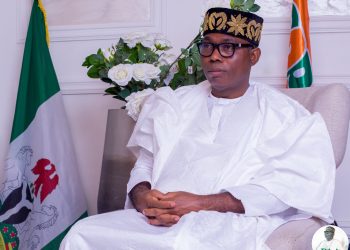
Responding to the request, the Chairman of the Revenue Mobilisation Allocation and Fiscal Commission, Dr. Mohammed Bello Shehu, acknowledged the importance of a well-funded electoral commission in strengthening democratic governance. He assured the INEC delegation of continued collaboration in addressing issues relating to funding and institutional support.
Political analysts believe that retaining experienced personnel is essential to preserving institutional knowledge and improving election administration. They noted that well-trained staff contribute to effective planning, efficient logistics and greater public confidence in the electoral process.
Observers also say that early and adequate funding will allow INEC to procure sensitive election materials, upgrade technology, recruit and train ad hoc staff, and complete other critical preparations before the elections. They argue that timely financial support is necessary to avoid operational challenges that could affect the credibility of future polls.
As preparations for the 2027 general elections continue, stakeholders have renewed calls for stronger institutional support for the electoral commission. Many believe that improving staff welfare, strengthening operational capacity and providing adequate funding will enhance INEC’s ability to conduct free, fair and credible elections that reflect the will of the Nigerian people.