

Retired senior officers from Nigeria’s military and police institutions have offered contrasting opinions on how much authority state governors should possess if state policing becomes a reality. While they acknowledged that decentralising law enforcement could improve security management across the country, they stressed the importance of introducing firm controls to stop misuse of power.
Their comments follow increasing pressure from governors demanding expanded constitutional powers to coordinate security matters within their territories, alongside guaranteed financial support for the proposed State Police Services.
Reports indicated that discussions on the matter gained momentum after a strategic meeting organised by the Nigeria Governors’ Forum Secretariat in Abuja. The gathering brought together state Attorneys-General, constitutional experts and top security stakeholders to examine the legal and operational structure required for the implementation of state policing.
At the same time, Senate President Godswill Akpabio urged lawmakers to be fully present as the National Assembly prepares to deliberate on what is being described as one of the most significant constitutional reforms in Nigeria’s democratic era. The proposed legislation seeks to formally establish State Police Services across the country.
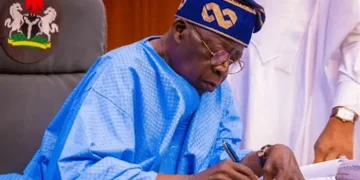
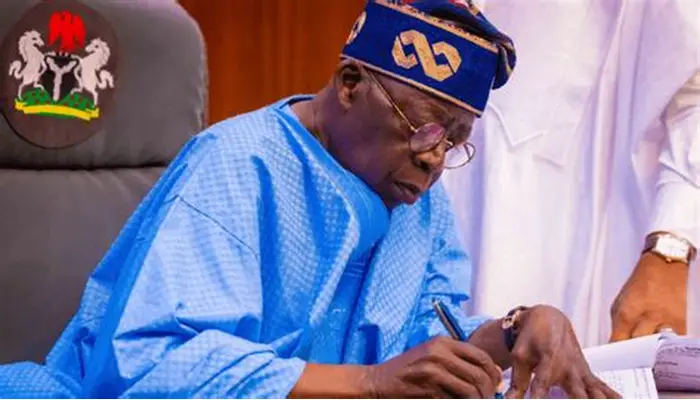
This legislative process advanced after President Bola Tinubu forwarded a constitutional amendment proposal to the National Assembly to provide legal backing for the creation of state police structures.
The Senate is expected to consider and debate the proposal upon resumption.
Speaking on the development, retired Brigadier General Peter Aro explained that state policing should be approached as a structured transformation of Nigeria’s security system rather than a politically motivated initiative. According to him, governors must receive enough authority to respond effectively to local threats but remain subject to clearly defined constitutional restrictions.
Aro argued that decentralised policing would encourage states to invest in modern surveillance systems and digital security technology, helping to move policing from reactive responses to intelligence-led operations.
He further stated that integrating state security information into a central federal command system would improve national intelligence sharing and allow quicker responses to emerging threats.
According to him, state police should manage domestic security concerns such as intelligence gathering, investigations and community protection efforts. He also suggested that states should be empowered to tackle security challenges within their borders, including local terrorism threats, while sensitive national responsibilities like presidential and National Assembly elections remain under federal oversight.
However, Aro cautioned against the possibility of political interference and recommended safeguards to protect justice and accountability. He proposed independent judicial-security review mechanisms for controversial cases before prosecution decisions are made.
In a separate reaction, retired Assistant Inspector-General of Police Ali Amodu maintained that governors should naturally play a major role in directing state police operations because they would carry the financial and administrative burden.
He noted that the constitutional proposal distinguishes between Federal Police Services and State Police Services, with governors exercising oversight only over state-level policing responsibilities.
Amodu recognised fears that governors could seek excessive influence but argued that Nigeria’s growing insecurity demands immediate action rather than prolonged hesitation.
He emphasised that no system is entirely free of weaknesses and said any shortcomings that emerge can be corrected over time. In his view, establishing state police now is more important than delaying reforms due to concerns over possible future abuse.