The House of Representatives has inaugurated an ad-hoc committee to investigate mounting concerns over excessive tax deductions from the earnings of civil and public servants, as well as multiple and unclear bank charges imposed on customers by deposit money banks.
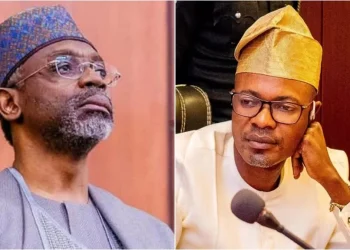
The committee, chaired by Hon. Kelechi Nwogu from Rivers State, was inaugurated on Thursday in Abuja by the Speaker of the House, Dr. Tajudeen Abbas.
In recent months, Nigerians have increasingly voiced frustration over what they describe as unfair and unexplained deductions from salaries and bank accounts. Civil and public servants, in particular, have complained of multiple taxes, levies, and service charges that erode their already strained incomes.
The problem, analysts say, stems from Nigeria’s complex and overlapping tax system, where deductions by federal, state, and local agencies often result in double taxation and poor accountability. Many workers also allege that statutory deductions — including pension and housing contributions — are not always remitted to the relevant authorities.
At the same time, commercial banks have faced criticism for imposing a variety of charges, such as stamp duty, Value Added Tax (VAT), card maintenance, and transfer fees — sometimes applied simultaneously to a single transaction.
In response to widespread public outrage, the House of Representatives inaugurated the Nwogu-led ad-hoc committee to probe the allegations and ensure fairness in the country’s financial systems.
Lawmakers have summoned key stakeholders, including the Central Bank of Nigeria (CBN), the Federal Inland Revenue Service (FIRS), and commercial banks, to explain the deductions and charges imposed on Nigerians.
Speaking at the inauguration, Hon. Nwogu said the investigation was prompted by growing complaints from citizens over confusing and often unexplained deductions by government agencies and financial institutions.
He described the committee’s assignment as “a pivotal step in the National Assembly’s commitment to transparency, fairness, and accountability,” noting that lawmakers could no longer ignore the frustrations of Nigerians facing frequent, unexplained financial losses.
“It is with great honour and a profound sense of duty that I stand before you today as Chairman of this ad-hoc Committee,” Nwogu said.
“We are responding to citizens’ concerns to ensure that financial practices in both the public and private sectors align with the principles of justice and equity.”
According to him, the committee will examine the nature, legality, and application of taxes, levies, and deductions affecting civil and public servants, including potential cases of non-remittance of deducted funds. It will also probe the scope of bank charges and VAT applied to existing fees, with the goal of promoting transparency and fairness in financial transactions.
“We aim to identify irregularities, recommend reforms, and advocate for the rights of all Nigerians,” Nwogu added.
“Our mission is to ensure that these deductions and charges are fair, transparent, and just — and we are prepared to make far-reaching recommendations, not minding whose ox is gored.”
He urged full cooperation from government agencies, banks, regulatory bodies, and civil society organisations, stressing that the committee’s work would go beyond identifying problems to proposing actionable solutions that restore public confidence in Nigeria’s financial systems.
Earlier in his remarks, Speaker Tajudeen Abbas, represented by the Chief Whip, Hon. Bello Kumo, reaffirmed the commitment of the 10th National Assembly to protect Nigerians from exploitative financial practices.
Abbas said the committee’s establishment reflects the legislature’s responsiveness to citizens’ cries over arbitrary deductions from their salaries and bank accounts by both government agencies and financial institutions.
“Public servants who work tirelessly for our nation should not bear the burden of unjust financial practices that reduce their hard-earned income,” he said.
The Speaker also expressed concern over multiple and unclear bank charges, warning that such practices erode public trust and worsen economic hardship.
“The issue of multiple bank charges undermines confidence in our financial institutions and places an undue strain on citizens’ finances,” Abbas said.
“Demands for transparency and fairness in banking cannot be ignored; they require our urgent attention.”
He urged the committee to conduct its assignment with integrity, objectivity, and diligence, engaging all relevant stakeholders to ensure a thorough and solution-driven investigation.
“Together, we have an opportunity to restore public confidence and strengthen financial justice in Nigeria,” he added.