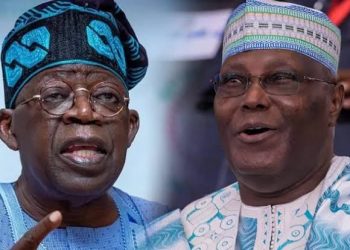


A fresh political disagreement has emerged within the OK Movement ahead of the 2027 general elections, following the decision by a faction of the group to withdraw its campaign and mobilisation support for the Nigeria Democratic Congress (NDC) presidential ticket of Peter Obi and Rabiu Kwankwaso.
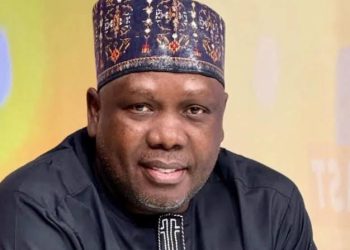
The faction, led by the movement’s National Director-General, John Ozyl Ughulu, announced its decision on Friday, November 27, saying it would immediately discontinue its political activities and engagements with the NDC.
Ughulu explained that the decision followed what he described as information received by the group’s national leadership that Obi and the NDC had chosen to end their political relationship with the movement.
He said the organisation had accepted the development and would redirect its political activities towards other platforms ahead of the 2027 elections.
According to him, discussions had already commenced with other political parties and prospective presidential candidates whose political positions, leadership approach and values align with the movement’s principles.
The faction also indicated that it would announce its preferred political party and presidential candidate in the coming days.
As part of the decision, Ughulu directed the movement’s coordinators and structures across the wards, local government areas and states to withdraw from NDC campaign and mobilisation activities.
He maintained that the OK Movement remained an independent political organisation with a nationwide grassroots network, insisting that its political identity and decisions were not controlled by any individual or political party.
He further argued that the group’s organisational structures and mobilisation capacity could play a significant role in determining political outcomes in the 2027 general elections.
However, the announcement has exposed disagreements over the group’s identity and the extent of its relationship with Obi’s presidential ambition.
The NDC has rejected the claim that the faction represents the authentic OK Movement, insisting that the recognised structures associated with Obi and Kwankwaso remain committed to the party and its presidential ticket.
The party’s National Publicity Secretary, Osa Director, described those behind the withdrawal announcement as individuals allegedly presenting themselves as representatives of the movement without the authority to do so.
Similarly, Idris Zekeri, spokesperson for Obi’s media office, said the former Anambra State governor did not recognise Ughulu’s group as an authorised support organisation for his presidential campaign.
Zekeri identified the Obidient Movement, coordinated by Dr Moses Paul, and the Kwankwasiyya Movement, led by Dr Habeeb Muhammed, as the recognised support structures associated with Obi’s political project.
The disagreement is not entirely new. Tensions had reportedly emerged in September after the Ughulu-led group constituted a 59-member presidential campaign council without the approval of the NDC leadership.
Obi subsequently distanced himself from the arrangement, maintaining that support organisations should operate within the party’s established campaign structure rather than create parallel campaign councils.
The latest development has therefore raised questions about the internal coordination of political support groups surrounding the Obi-Kwankwaso ticket and their ability to maintain a united front before the 2027 elections.
While the Ughulu-led faction insists that it has withdrawn its institutional support and is considering alternative political alliances, representatives of Obi’s camp maintain that the recognised Obidient and Kwankwasiyya structures remain firmly behind the NDC presidential ticket.
The unfolding disagreement presents another challenge for the opposition party as political activities gradually intensify ahead of the next general elections