

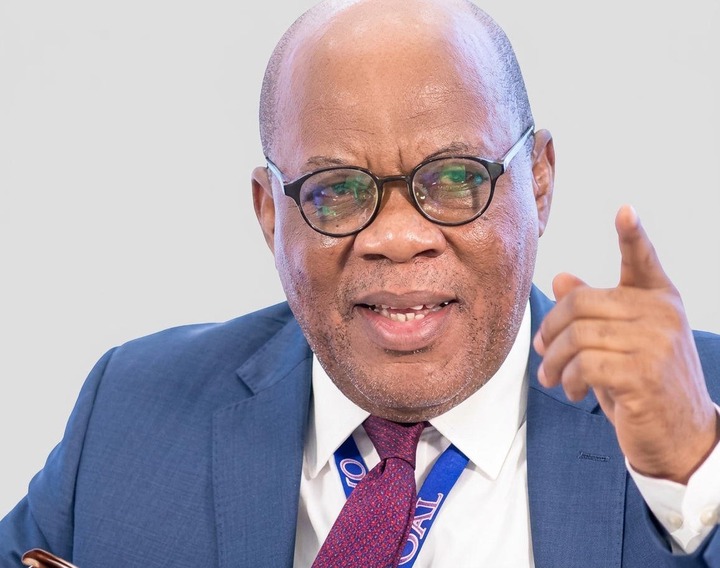
Former Nigerian Bar Association (NBA) President, Dr Olisa Agbakoba, SAN, has argued that political parties should not rely exclusively on the Independent National Electoral Commission (INEC) to obtain evidence for election disputes, insisting that Nigerians can also publish verified results recorded at polling units.
Agbakoba maintained that although INEC possesses the legal authority to announce official election outcomes, citizens and media organisations should be able to report results supported by authenticated electoral documents.
He warned that political parties that cannot independently monitor and document election results should reconsider their participation in the electoral process.
The debate comes as Nigeria prepares for the January 2027 general elections, with concerns lingering over the electronic transmission of votes following the controversies surrounding the 2023 presidential poll.
Before the 2023 elections, INEC presented electronic transmission of results from polling units to its Result Viewing Portal (IReV) as a major improvement in electoral transparency. However, technical difficulties disrupted the process, generating widespread criticism and questions about the commission’s handling of the system.
With another election approaching, political parties are reportedly exploring independent mechanisms for recording and transmitting results from polling stations to their respective situation rooms.
The proposed arrangements are intended to provide an additional means of verifying results announced by electoral officials and comparing them with figures eventually declared by the commission.
However, INEC has cautioned media organisations against publishing election results compiled by political parties or private groups before the commission announces the official outcome.
INEC Chairman, Professor Joash Amupitan, reportedly reiterated this position on September 24, 2026, while addressing the 24th All Nigeria Editors Conference organised by the Nigerian Guild of Editors in Enugu.
He urged journalists to avoid releasing results produced by political organisations or other private bodies before the electoral umpire makes its formal announcement.
The commission’s position has generated debate among Nigerians who want credible elections and greater transparency in the handling of votes.
Reacting to the controversy, Agbakoba wrote to Amupitan in a letter dated October 12, 2026, explaining that INEC’s exclusive responsibility for formally declaring election results should not prevent the public from reporting figures already announced at polling units or documented in authentic electoral records.
The senior lawyer distinguished between INEC’s statutory responsibility to declare official results and the ability of journalists and citizens to report information supported by credible evidence.
His argument centres on the need to ensure that the commission’s authority over official declarations does not become an obstacle to independent scrutiny of the electoral process.
Agbakoba’s position also raises questions about how political parties can preserve evidence for possible election petitions, particularly where disputes arise over the figures announced at polling units and those contained in final declarations.
As preparations for the 2027 elections continue, the disagreement highlights the importance of transparent procedures for transmitting, documenting and verifying votes.
The debate is expected to remain significant as political parties, electoral authorities, journalists and civil society organisations seek safeguards against irregularities and disputes.
Ultimately, the central issue is how to preserve INEC’s legal mandate while ensuring that independently verified electoral records remain available for public scrutiny and can support legal challenges where necessary.