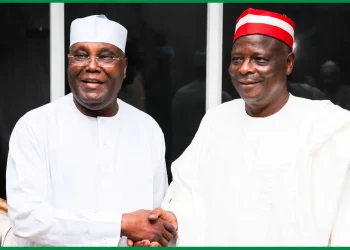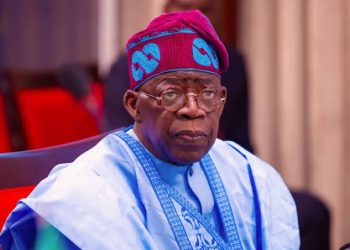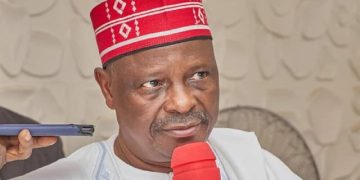


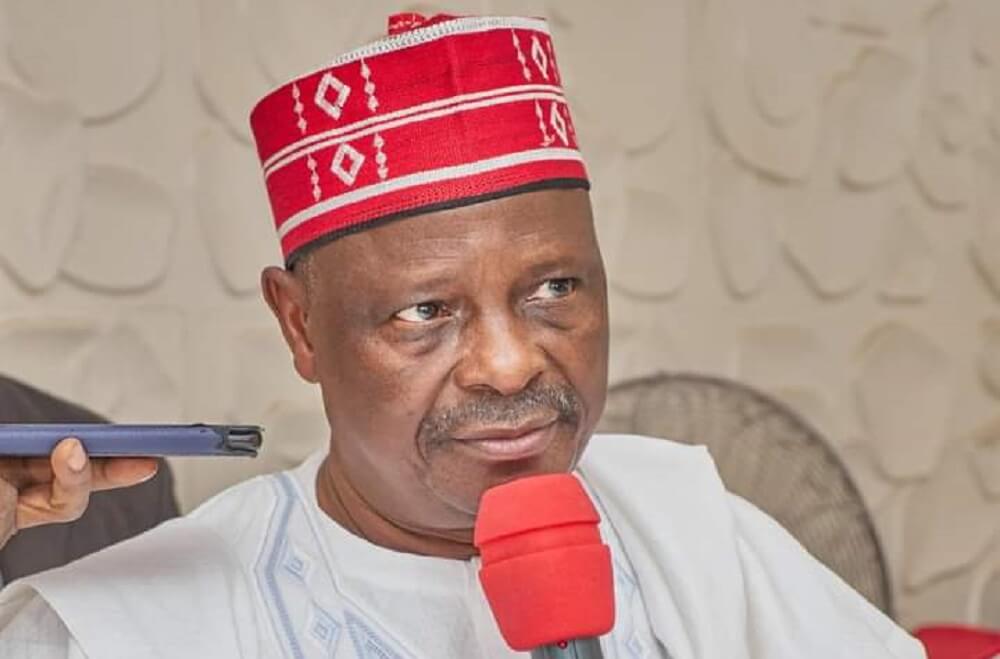
The African Democratic Congress Presidential Campaign Council (ADC-PCC) has accused former Kano State Governor, Rabiu Musa Kwankwaso, of advancing President Bola Tinubu’s political interests ahead of the 2027 presidential election.
The allegation followed Kwankwaso’s call for former Vice-President Atiku Abubakar to step aside in favour of Peter Obi, a move the ADC campaign council said could deepen divisions among opposition parties and weaken their chances of defeating the ruling All Progressives Congress (APC).
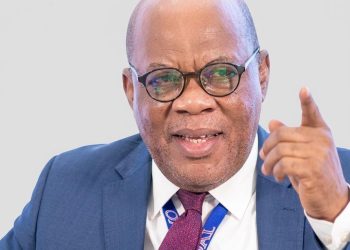
Kola Ologbondiyan, Director of Media and Publicity of the ADC-PCC, made the accusation in a statement on Friday while reacting to Kwankwaso’s interview on Channels Television.
Ologbondiyan questioned why the former governor was urging opposition leaders to make political concessions instead of focusing on the Tinubu administration’s record, particularly amid concerns over economic hardship, rising living costs, poverty and insecurity.
He also suggested that Kwankwaso’s intervention was driven by personal political ambitions, alleging that the former governor was more concerned about positioning himself for the 2031 presidential election than building a united opposition ahead of the 2027 polls.
The ADC spokesman further questioned Kwankwaso’s political influence beyond Kano State, arguing that his support was not indispensable to any presidential candidate seeking victory in the state.
Citing the 2003 and 2007 presidential elections, Ologbondiyan recalled that former President Muhammadu Buhari secured victories in Kano without Kwankwaso’s backing. He maintained that Atiku could also secure substantial support in the state without relying on the former governor.
Ologbondiyan accused Kwankwaso of contributing to divisions within the opposition, describing his actions as consistent with what he called an APC strategy of creating confusion and weakening efforts to challenge the ruling party.
The campaign council also questioned Kwankwaso’s political consistency, referencing his movement across several political parties over the years. It further cited his fourth-place finish in the 2023 presidential election to challenge claims about his nationwide electoral strength.
In contrast, Ologbondiyan argued that Atiku possessed broader political connections across Nigeria’s six geopolitical zones, which he said could strengthen the ADC’s chances in the next general election.
He also questioned whether Kwankwaso’s support for Obi was genuinely intended to unite opposition forces or was motivated by personal political calculations.
The ADC-PCC urged Kwankwaso and his allies to reconsider their position and support Atiku’s candidacy, insisting that opposition leaders should prioritise a common strategy to challenge Tinubu in 2027 rather than engage in disagreements over who should lead the contest.
The council maintained that economic hardship, insecurity and the rising cost of living should remain central to political discussions as parties prepare for the next presidential election.