


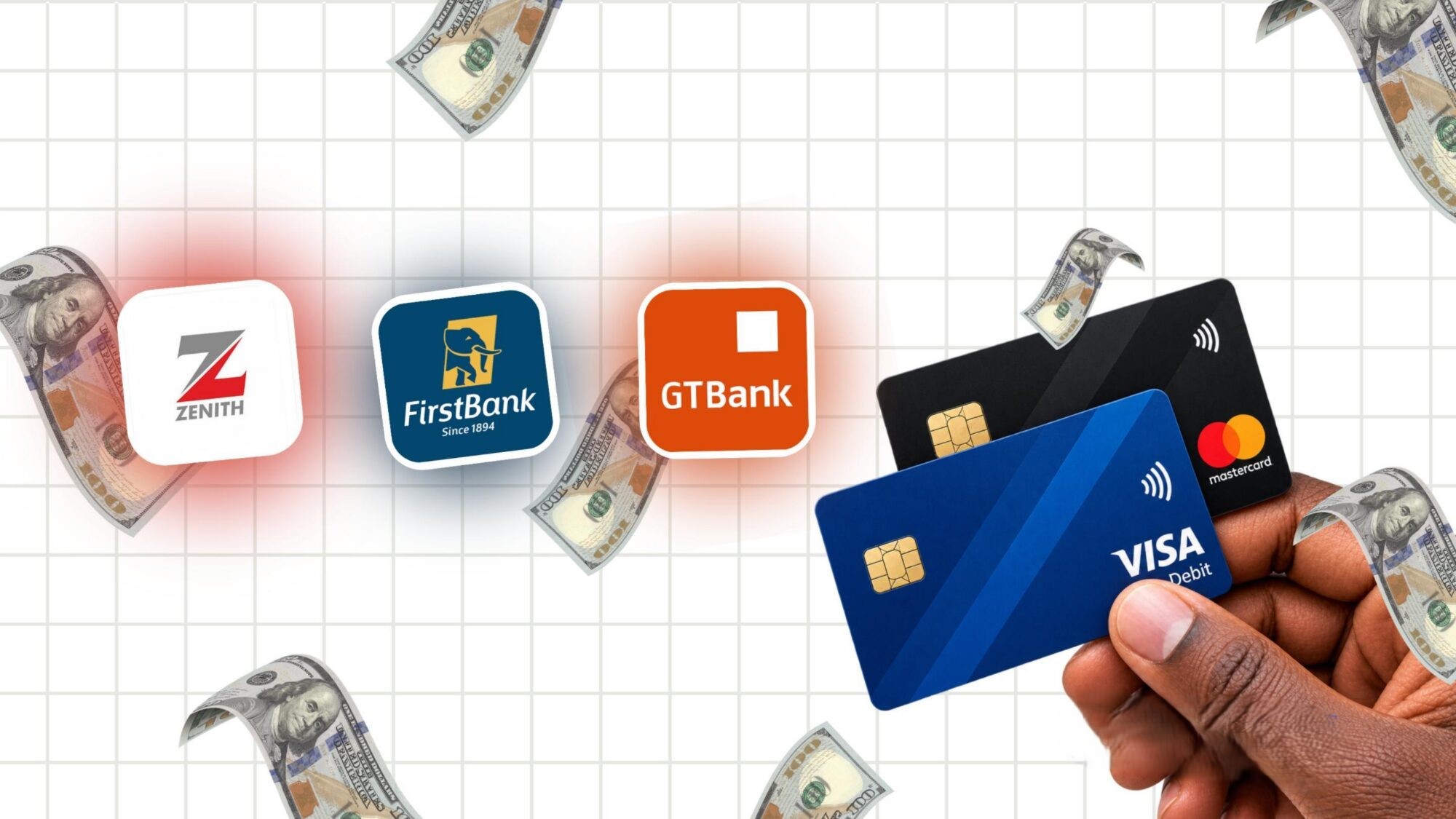
Nigerian commercial banks are increasing the limits on international transactions through naira-denominated cards as improved foreign exchange liquidity eases pressure on the banking sector.
The development marks a significant shift from the period between 2023 and 2025, when severe foreign exchange shortages forced several banks to reduce international card limits or suspend some offshore transactions.
A review by Nairametrics showed that several major lenders have raised their international spending thresholds in recent months, giving customers greater access to dollar-denominated payments for expenses such as school fees, airline tickets, accommodation and other overseas transactions.
Guaranty Trust Bank (GTBank), a subsidiary of GTCO Plc, recorded one of the largest increases, raising the quarterly international spending limit on its naira cards to $40,000.
The new limit represents a significant increase from the $6,000 quarterly threshold announced by the bank in May 2026 and is double the $20,000 limit that was in place as of August 10.
FirstBank has also expanded access to international transactions. Its Naira Mastercard now supports international transactions up to a cumulative quarterly limit of $10,000 across point-of-sale and online transactions. The bank has also increased its international ATM withdrawal limit to $1,000 daily.
Zenith Bank currently permits international transactions of up to $50,000 annually on its naira cards, while United Bank for Africa (UBA) allows spending of up to $20,000 on POS transactions through its World USD Card and up to $10,000 for online transactions.
Stanbic IBTC has similarly increased its international card limits, with customers now able to spend up to $8,000 quarterly on eligible Mastercard naira debit cards.
The increase in spending limits reflects the improvement in foreign exchange liquidity in Nigeria’s financial system.
Financial industry experts attributed the development to reforms by the Central Bank of Nigeria (CBN), including measures aimed at improving the functioning of the foreign exchange market, strengthening diaspora remittance channels and increasing the flow of foreign currency through formal financial institutions.
Olubunmi Ayokunle, Head of Financial Institutions Rating at Agusto & Co, said the increased limits were primarily a result of improved dollar availability.
According to him, banks can accommodate higher customer spending when sufficient foreign exchange is available to settle international transactions. He noted that the situation was different in 2023 because banks lacked adequate dollar liquidity.
However, the Chief Executive Officer of the Centre for the Promotion of Private Enterprise, Muda Yusuf, cautioned that the improvement would require continued monitoring and compliance.
He said regulators could review the limits if there were signs of unusual dollar demand, money laundering or other forms of abuse.
The development is expected to provide relief for Nigerians who depend on international card transactions for education, travel, business and digital services.
It also comes amid a rise in Nigeria’s external reserves, which crossed the $54 billion mark in early September 2026, reaching about $54.08 billion as of September 3, according to figures cited by Nairametrics.
The higher card limits therefore point to improving dollar liquidity and growing confidence in Nigeria’s foreign exchange market, although sustained stability will depend on continued reforms and adequate foreign currency supply.