

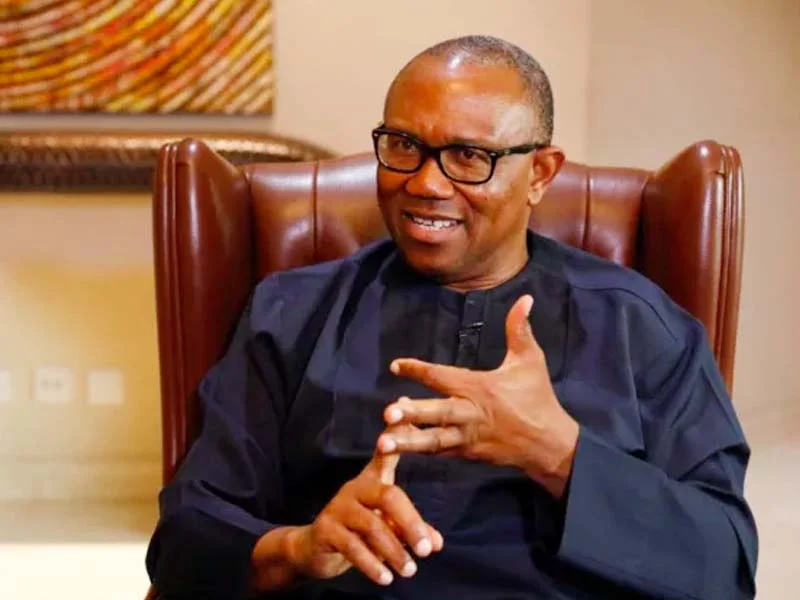
The Presidency has strongly criticised recent remarks made by Nigerian Democratic Congress presidential candidate, Peter Obi, urging President Bola Tinubu to resign, describing the position as baseless, immature and politically motivated.
In a statement issued on Monday by the President’s Special Adviser on Information and Strategy, Bayo Onanuga, the government dismissed Obi’s comments and defended Tinubu’s leadership using economic and governance indicators from the administration’s time in office.
According to the Presidency, Obi’s remarks appeared aimed at diminishing the ruling party’s recent electoral gains recorded in the Ekiti governorship contest and several senatorial by-elections.
The statement further faulted Obi’s attempt to compare Nigeria’s political structure with that of the United Kingdom following the resignation of British Prime Minister Keir Starmer, arguing that such comparisons ignored the differences between both systems of government.
Onanuga maintained that Nigeria operates a constitutional presidential system in which elected leaders serve fixed terms and cannot be pressured out through public commentary or social media campaigns.
The Presidency also rejected Obi’s description of Nigeria as being in severe decline, insisting that available statistics and international economic assessments present a different picture of the country’s current condition.
Referencing recent elections, the statement argued that outcomes from voting exercises in Ekiti and senatorial districts in Nasarawa, Enugu, Ondo and Rivers reflected public confidence in President Tinubu and the governing party.
It added that these developments should concern Obi and his political platform ahead of the 2027 general election rather than raise questions about Tinubu’s position.
On security matters, the Presidency accused Obi of overlooking achievements made by security agencies under the current administration.
According to government figures, thousands of criminal and insurgent elements have been neutralised through coordinated operations, while numerous abducted victims have regained freedom following rescue missions across northern parts of the country.
The administration also highlighted investments in surveillance technology, expanded security capabilities and institutional reforms intended to strengthen internal security operations.
The statement further challenged Obi’s own performance during his tenure as governor of Anambra State, arguing that he lacked the record to question federal efforts in protecting lives and property.
On the economy, the Presidency stated that national indicators show signs of recovery and expansion since Tinubu assumed office.
It claimed the country has maintained consistent quarterly economic growth, improved external reserves and stronger revenue generation compared with previous years.
Officials also pointed to increased crude oil production, stronger public finances and rising investor confidence as indicators of progress.
Additionally, the administration highlighted developments within Nigeria’s capital market, noting significant growth in market performance and expanded opportunities for investors.
The Presidency concluded by identifying uninterrupted academic activities across tertiary institutions as one of the administration’s overlooked achievements.
According to the statement, maintaining stability in universities and preventing prolonged industrial actions fulfilled one of Tinubu’s promises to students and families across the country.
The government argued that these outcomes demonstrate progress rather than decline and insisted that public judgment should ultimately be reserved for the next presidential election.