

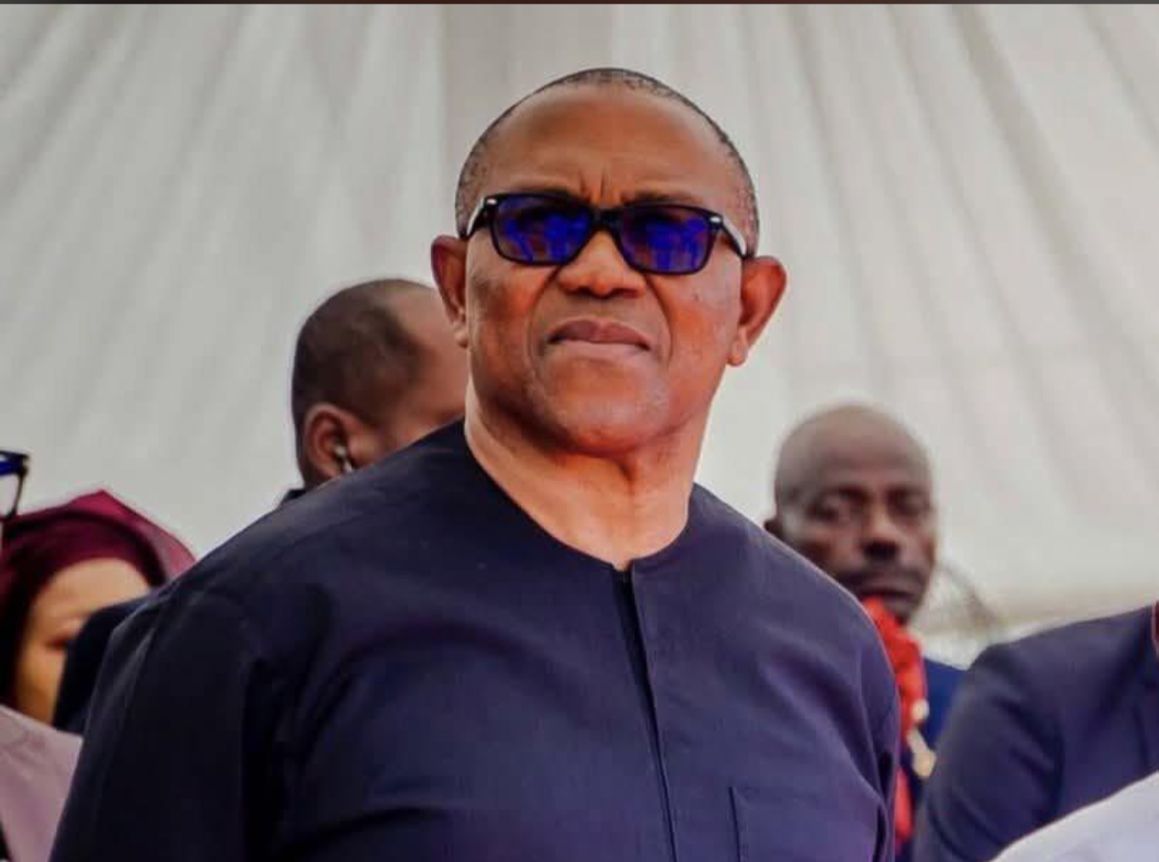
Former Anambra State Governor and presidential candidate of the Labour Party, Peter Obi, has called on Nigerians to reject the growing culture of associating criminal activities with entire ethnic groups, warning that such generalisations threaten national cohesion and deepen divisions among citizens.
In a statement shared on his verified X account on Monday, Obi stressed that criminal behaviour should be attributed to individuals rather than communities, noting that no tribe or ethnic nationality should be defined by the actions of a few lawbreakers.
Reflecting on his personal experiences as an Igbo man, Obi said he understands the consequences of prejudice and stereotyping. According to him, many Nigerians have at different times been unfairly judged based on their ethnic identity instead of their personal values and conduct.
He explained that the challenge is not unique to any single group, adding that several communities across the country have experienced similar forms of discrimination. Obi specifically referenced the Fulani ethnic group, noting that many innocent members of the community are often unfairly linked to crimes committed by individuals who do not represent the wider population.
The former governor expressed sympathy for ordinary Fulani citizens who, despite having no connection to criminal activities, are frequently subjected to suspicion and negative perceptions. He argued that holding an entire ethnic group responsible for the actions of a few criminals only creates resentment and weakens the bonds necessary for national progress.
Drawing inspiration from global struggles against discrimination, Obi referenced the civil rights movement in the United States. He highlighted the enduring message of civil rights icon Martin Luther King Jr., who championed the idea that people should be evaluated by their character and actions rather than their race or background.
Obi maintained that Nigeria’s numerous ethnic groups have made valuable contributions to the country’s development through their unique cultures, traditions, talents, and economic activities. While these differences should be celebrated, he said criminality must never be attached to any tribe, religion, or region.
According to him, criminals should be identified for what they are individuals who have violated the law. Whether involved in kidnapping, terrorism, banditry, theft, or other offences, such persons should face justice as individuals and not become the basis for condemning millions of innocent people who share their ethnic identity.
He warned that ethnic profiling and collective blame fuel distrust, hatred, and social tension, making it harder for Nigerians to build a united and peaceful nation. Obi urged citizens to resist narratives that seek to divide the country along ethnic lines and instead promote understanding and mutual respect.
The presidential hopeful further called on Nigerians to embrace the nation’s diversity as a strength rather than a source of conflict. He cautioned against allowing political actors or vested interests to exploit ethnic differences for personal gain, saying such tactics only undermine national development.
Obi concluded by envisioning a Nigeria where every citizen is judged fairly based on integrity, competence, and personal conduct rather than tribe, religion, or place of origin. He expressed confidence that a more inclusive and united nation is achievable if Nigerians commit themselves to justice, tolerance, and shared progress.
He reaffirmed his belief that a better and more equitable Nigeria remains possible and within reach.