

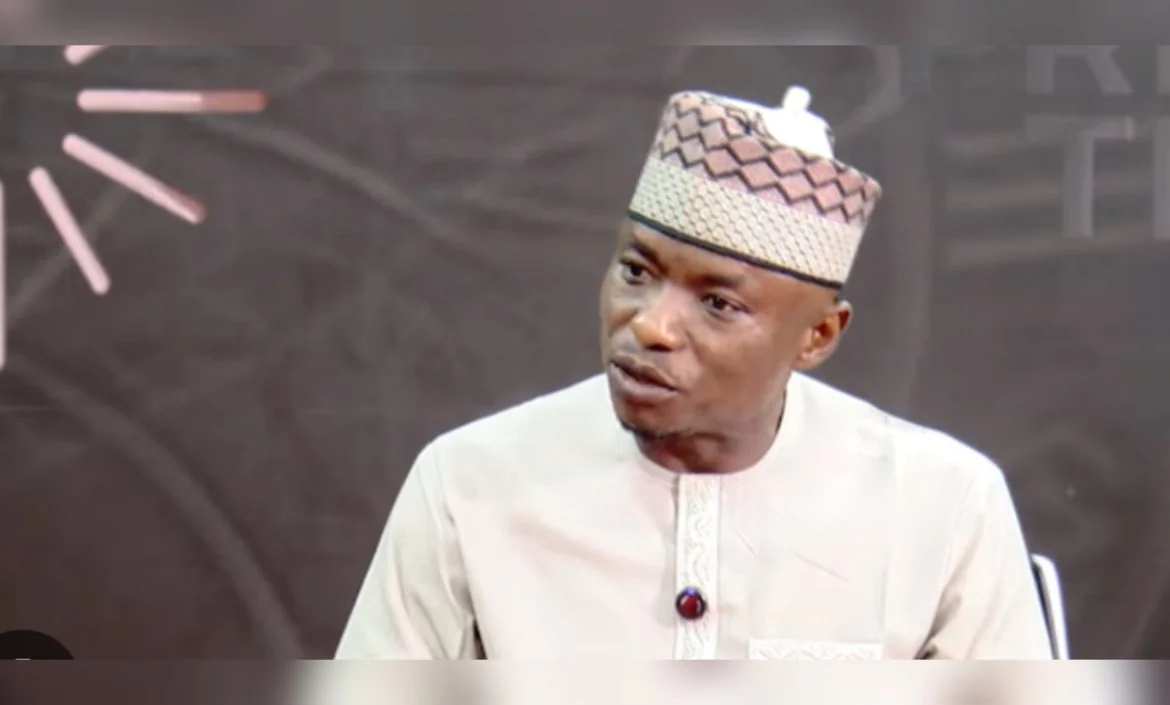
Abdulmumin Abdulsalami, former Deputy National Publicity Secretary of the Nigeria Democratic Congress (NDC), has announced his defection to the African Democratic Congress (ADC), barely a few days after severing ties with his former political platform over claims of marginalisation, unfairness and persistent disagreements among party stakeholders.
The former NDC official confirmed his latest political decision in an interview with The PUNCH, revealing that he had already been received by members of the ADC.
Abdulsalami ruled out the possibility of reconsidering his withdrawal from the NDC, explaining that he had found a new political platform where he believed his efforts would be recognised and valued.
“No, there is no going back to the NDC. I have joined the ADC, where I have been welcomed with open arms. Now, I feel at home, and I am willing to put in my best, knowing that my efforts will be appreciated,” he said.
He also disclosed that the ADC had assigned him a fresh responsibility, but declined to make the details public, noting that he was yet to receive authorisation to announce the development.
When questioned about whether his new appointment was connected to the party’s preparations for the 2027 general elections, Abdulsalami confirmed that he had been given a new assignment.
“Yes, I have a new role now. But I have not been cleared to release it for media consumption,” he said.
His latest political move followed his decision to formally terminate his membership of the NDC through a resignation letter forwarded to the National Chairman, Senator Moses Cleopas, through his former ward chairman in Nagazi Ward, Adavi Local Government Area of Kogi State.
In the letter, bearing the title Letter of Resignation from the Nigeria Democratic Congress: Withdrawal from All Partisan Commitments to the Party, Abdulsalami accused some influential members of frustrating his involvement in the organisation and creating circumstances that prevented him from carrying out his responsibilities.
He attributed his departure to disagreements between his commitment to strengthening the party and the interests of a few powerful individuals occupying influential positions within its leadership.
“As a foundation member of the NDC, and a critical formative leader in the party, I am compelled to voluntarily take the exit having realised that my sincere and positive contributions to the meteoric rise and success of the party are at odds with the vested interests of a few powerful officers who call the shots.
“More so, this painstaking decision serves my best interest as I prioritise my peace of mind rather than recurrent complaints at the sight of a series of injustices meted out to me,” he stated.
Before ending his association with the party, Abdulsalami occupied several positions, including serving as the interim chairman of the NDC in Kogi State, Deputy National Publicity Secretary and later Deputy National Director for Labour and Civil Society.
He was also among those involved in establishing the organisation’s foundation and developing its political presence during its formative years.
Despite his grievances, the former spokesman recognised the contributions of the party’s National Leader, Senator Henry Seriake Dickson, expressing gratitude for the opportunity to serve. He equally acknowledged other party members, civil society representatives and media professionals who supported its establishment.
Meanwhile, an insider within the NDC alleged that Abdulsalami’s exit resulted from prolonged dissatisfaction with the party’s leadership, claiming that he had devoted considerable effort to the organisation without receiving any salary or financial compensation through its working budgets.
The source further alleged that he was gradually excluded from the National Working Committee despite being among the party’s founding members. The insider also claimed that Dickson had repeatedly appealed to him to remain in the organisation.
However, the NDC dismissed suggestions that his resignation signalled widespread disagreements within its ranks.
The party’s National Publicity Secretary, Osa Director, insisted that the departure of one official should not be interpreted as evidence of an organisational crisis, maintaining that the party continued to record an increase in new members.
“There is no internal wrangling in the party. The exit of one person is not enough to conclude, especially as we also witness an influx of a lot of people into the party every day,” he told the correspondent.