

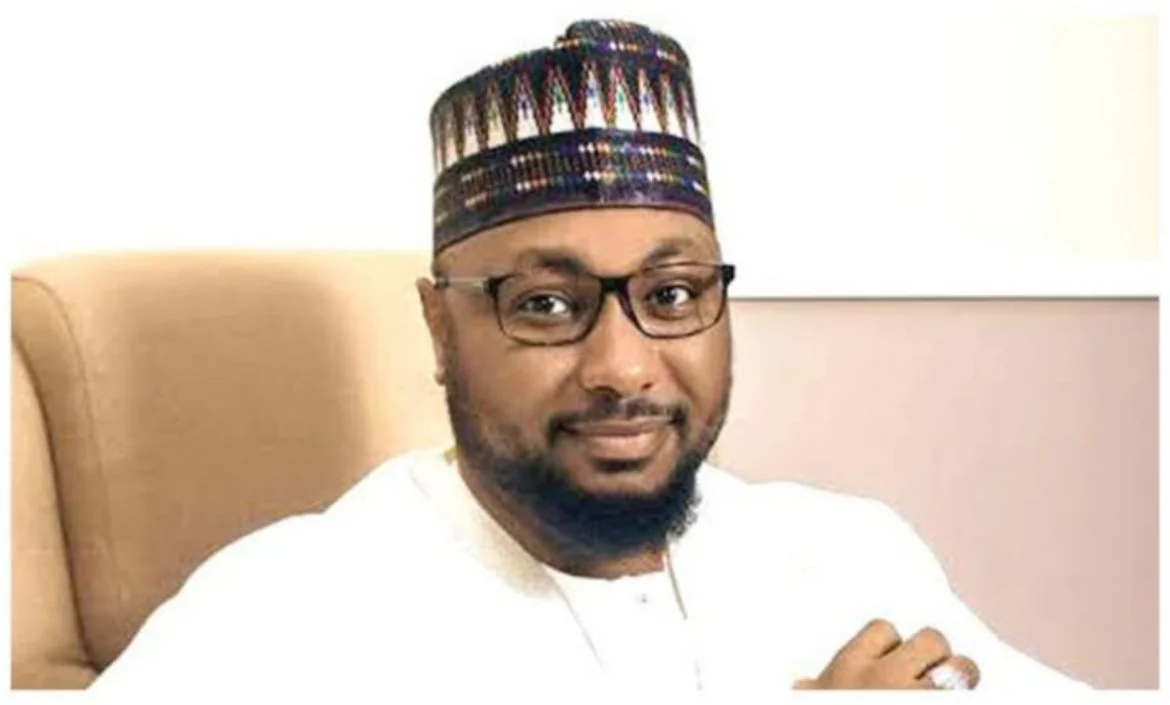
The Director-General of the Nigeria Democratic Congress (NDC) National Campaign Council, Ibrahim Abdulkareem, has faulted prominent members of the African Democratic Congress (ADC) over what he described as their poor handling of efforts to unite opposition politicians ahead of the 2027 presidential election.
Abdulkareem accused some influential figures within the ADC of displaying a sense of entitlement and lacking the initiative required to establish a workable political alliance. He argued that the party’s leading members failed to settle fundamental questions concerning power distribution, regional considerations and the selection of a presidential flagbearer before reaching out to other politicians.
According to him, the absence of an agreed framework has contributed to the disagreements currently threatening the opposition’s efforts to build a formidable political platform capable of challenging the ruling All Progressives Congress (APC).
The NDC campaign council director expressed these views on Wednesday during an interview on Arise Television’s Prime Time, where he examined the growing tensions surrounding the ADC-led opposition arrangement.
He maintained that the coalition’s organisers ought to have developed a comprehensive political agreement outlining its leadership structure, presidential ambitions and allocation of responsibilities before approaching prospective members.
Abdulkareem argued that establishing such guidelines would have prevented conflicting expectations among politicians seeking to participate in the alliance. He added that individuals interested in joining would have understood the conditions and objectives of the arrangement from the outset.
The NDC official suggested that certain opposition figures were more concerned about their personal political prospects than developing a sustainable arrangement capable of addressing Nigeria’s leadership challenges.
He questioned why the ADC failed to adopt a structured approach similar to the process through which the APC established itself as a political platform.
Addressing the controversy involving former Vice President Atiku Abubakar and ex-Anambra State Governor Peter Obi, Abdulkareem criticised suggestions that Obi should accept a running-mate position under Atiku.
He considered such discussions evidence of the confusion surrounding the opposition alliance, arguing that questions concerning presidential and vice-presidential positions should have been resolved before the coalition was publicly promoted.
The campaign director also challenged attempts by certain political stakeholders to use northern interests as justification for determining who should lead the opposition movement.
He insisted that no individual or geographical region possessed an exclusive entitlement to Nigeria’s presidency, stressing that political leadership should be determined by merit rather than regional influence.
Abdulkareem further recalled the administrations of former military leader Ibrahim Babangida and ex-President Muhammadu Buhari, questioning whether the country’s political experiences under previous northern leaders had produced the desired results.
He argued that the deteriorating conditions across Nigerian communities should encourage political stakeholders to reconsider their approach to choosing national leaders.
According to him, the country’s security, economic and infrastructural difficulties require a different standard of political leadership, one centred on honesty, competence and responsible management of public resources.
He maintained that Nigerians deserved a president capable of prioritising public welfare, ensuring accountability and addressing the difficulties confronting ordinary citizens.
Abdulkareem also warned against allowing political seniority, religious considerations, ethnic identity or claims of regional ownership to determine the country’s leadership choices.
He urged opposition politicians to abandon personal ambitions and concentrate on identifying credible individuals who could offer effective governance, insisting that Nigeria’s future should take precedence over the individual interests of established political figures.