

Some leaders and stakeholders within the All Progressives Congress (APC) are reportedly considering alternative political options ahead of the 2027 presidential election amid growing disagreements involving FCT Minister Nyesom Wike and some APC governors.
Sources within the ruling party, who spoke anonymously, said the dispute over Wike’s political activities and his support for President Bola Tinubu while backing politicians outside the APC in other contests had created concerns among some party stakeholders.
The sources specifically mentioned dissatisfaction among some stakeholders in Ogun, Kwara and Imo states, alleging that Wike’s political activities and public criticisms of some governors were contributing to tensions within the party.
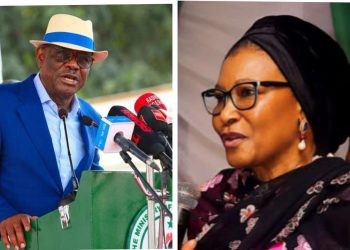
Wike, a member of the Peoples Democratic Party (PDP) serving as minister under the APC-led Federal Government, has been promoting the Rainbow Coalition while publicly supporting Tinubu’s 2027 presidential bid.
The minister has maintained that supporting Tinubu for president does not require him to support APC candidates in governorship and legislative elections.
Wike recently criticised Kwara State Governor AbdulRahman AbdulRazaq and Imo State Governor Hope Uzodimma over their opposition to aspects of the Rainbow Coalition. He alleged that their concerns were connected to the coalition’s support for politicians who could challenge APC candidates in some elections.
Uzodimma, who chairs the APC Progressive Governors’ Forum, has taken a different position. Following a meeting of APC governors, he said the governors would not participate in or support political arrangements capable of weakening the APC or undermining Tinubu’s re-election bid.
The forum also stated that its campaign efforts would focus on APC candidates across all levels of government.
The disagreement centres largely on whether politicians can support Tinubu at the presidential level while backing candidates from other parties in governorship and legislative contests.
Wike has argued that such voting patterns occurred during the 2023 elections, citing the position of the former G5 governors who supported Tinubu’s presidential bid while remaining aligned with the PDP in other contests.
However, some APC stakeholders have reportedly expressed concern that the arrangement could weaken the party’s candidates and structures in the states.
An APC source said some party leaders were looking to President Tinubu to intervene and help resolve the disagreements before they affect the party’s preparations for the 2027 elections.
Former APC Organising Secretary Eze Duru, however, said Tinubu’s political strategy has involved securing support from politicians beyond the APC. He argued that Wike’s support for the President should also be considered within that broader political arrangement.
Political scientist Professor Hassan Saliu similarly called for careful management of the relationship between Wike, the governors and the APC leadership, noting that internal disagreements could influence political alignments ahead of the elections.
The latest development highlights the continuing debate within the APC over party loyalty, political alliances and the role of non-APC figures in the President’s 2027 campaign.
With party structures and campaign preparations intensifying, the handling of the disagreements between Wike and some APC governors is likely to remain an issue in the political discussions leading to the 2027 general elections.