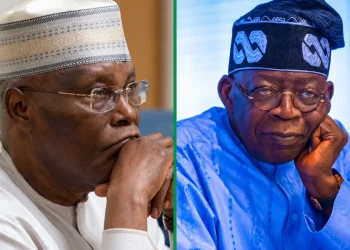


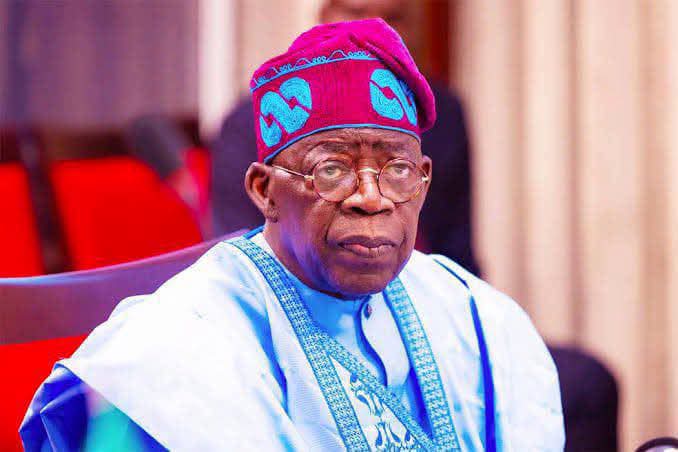
The Presidency has dismissed reports suggesting that President Bola Ahmed Tinubu is facing a criminal trial in the United States, clarifying that the ongoing proceedings before a Washington, D.C. court concern the release of government records under the US Freedom of Information Act (FOIA).
The clarification was issued by the Special Adviser to the President on Information and Strategy, Bayo Onanuga, in a statement on Thursday. He said the case was initiated by American transparency activist Aaron Greenspan and did not amount to a criminal prosecution against Tinubu.
According to Onanuga, Greenspan began submitting FOIA requests to several US government agencies in 2022, seeking records relating to Tinubu. After some agencies declined to release the requested information or refused to confirm whether certain records existed, Greenspan filed Civil Action No. 23-1816 at the United States District Court for the District of Columbia in 2023.
Tinubu was later permitted by the court to participate in the proceedings as an intervenor, primarily to protect his privacy interests.
The Presidency said several US government agencies, including the Central Intelligence Agency, Department of State, Department of the Treasury and Internal Revenue Service, were removed from the case after obtaining summary judgments based on the “Glomar defence.”
The legal principle allows government agencies, under certain circumstances, to neither confirm nor deny whether particular records exist.
However, the Federal Bureau of Investigation (FBI) and the Drug Enforcement Administration (DEA) remain involved in the proceedings. According to the Presidency, the two agencies have released 399 pages of documents, although portions of the records remain withheld or redacted under exemptions provided by US law.
Onanuga explained that some of the withheld information relates to protected legal and law-enforcement materials, including grand jury proceedings, attorney-client communications, investigative methods and confidential sources.
The Presidency also said some information was withheld because its disclosure could constitute an unwarranted invasion of personal privacy or reveal techniques used by law-enforcement agencies.
Onanuga noted that Tinubu had also relied on privacy protections available under the FOIA framework in defending his interests in the case.
He said Greenspan had until September 11 to respond to filings submitted by the defendants and the President, while the FBI, DEA and Tinubu were expected to make further responses by September 18.
The presidential aide also criticised recent comments by Karl von Batten, saying neither Von Batten nor his client was a recognised party to the proceedings.
Onanuga maintained that the outcome of the case would be determined by Judge Beryl A. Howell of the US District Court for the District of Columbia based on the evidence, applicable law and arguments presented by the recognised parties.
The records dispute dates back to FOIA requests concerning a Chicago investigation from the early 1990s. According to the report, the requests sought records from six US federal agencies relating to the investigation in which Tinubu and three other individuals were named.
In April 2025, Judge Howell ruled that the agencies’ initial refusals to confirm or deny the existence of the requested records were “neither logical nor plausible” and directed the FBI and DEA to process the requests.
The Presidency has consequently urged the media and the public to distinguish between the ongoing civil records-disclosure proceedings and claims suggesting that Tinubu is currently facing a criminal prosecution in the United States.