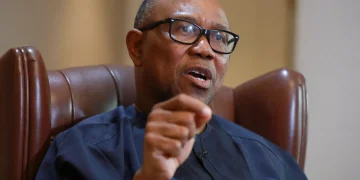


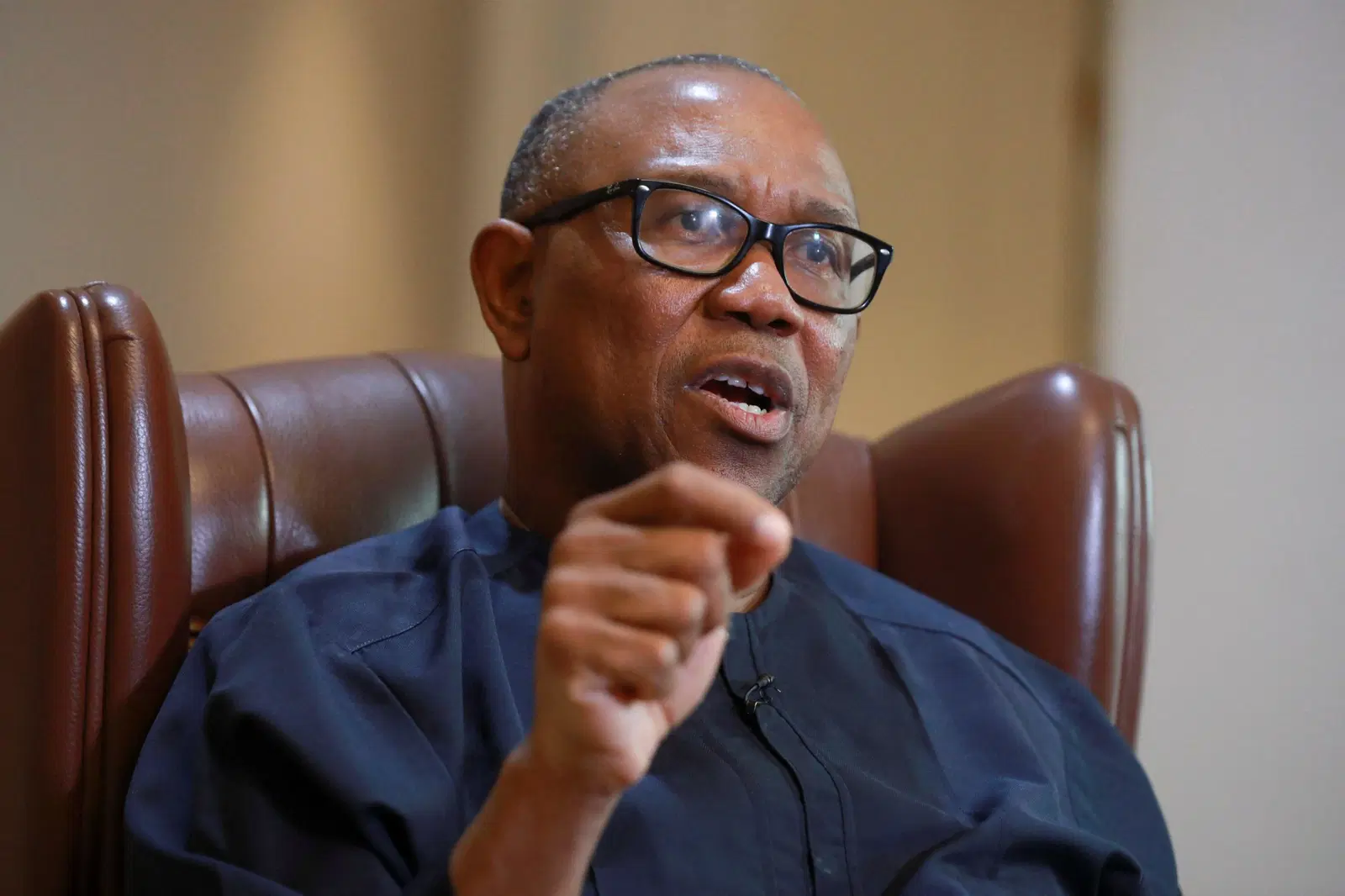
Recent comments by former presidential candidate Peter Obi have generated widespread discussion after he addressed criticism surrounding his decisions to leave previous political platforms, insisting that he chooses to exit situations he believes no longer support his principles or goals.
Obi made the remarks during a televised discussion broadcast by Nevon HQ, where he participated in an extended conversation with broadcaster Rufai Oseni. The exchange has since circulated widely online and triggered renewed conversations across political circles and social media platforms.
During the interview session, Oseni raised concerns often expressed by critics who argue that Obi tends to step away from political disagreements rather than remain and contest internal challenges.
The interviewer referenced public opinion suggesting that Obi’s previous exits from political organisations were viewed by some observers as reluctance to engage in difficult internal battles.
Responding to the criticism, Obi acknowledged that individuals are entitled to interpret his political decisions in different ways but maintained that his choices are usually shaped by the atmosphere and circumstances within those organisations.
According to him, remaining in an environment he considers unhealthy or counterproductive does not align with his approach to politics.
Explaining his position further, Obi compared political participation to remaining inside a house that is no longer safe, arguing that people naturally choose to leave places they believe have become difficult to function within.
His remarks quickly gained attention and generated divided reactions among political observers and online audiences.
Supporters defended his explanation, saying political leaders should not remain in settings they believe undermine their values or ability to contribute effectively. Many argued that strategic withdrawal can sometimes be more productive than prolonged internal disputes.
Others interpreted the comments differently, suggesting that repeated departures from political organisations may reinforce concerns that he avoids difficult confrontations and organisational struggles.
The renewed conversation has also revived public interest in Obi’s political journey and decisions across different stages of his career.
Several commentators noted that political movement between parties is not unusual within Nigeria’s political environment, although individual motivations often attract public scrutiny and competing interpretations.
As debate continues, the interview has remained widely discussed online, with users sharing clips and offering contrasting views on what Obi’s comments reveal about his leadership style and long-term political calculations.
Observers say the conversation highlights broader questions about loyalty within political structures, conflict management, and whether leaders should remain within challenging environments to pursue reform or seek alternative platforms.
The interview continues to attract attention across digital platforms, extending discussion about Obi’s political choices and shaping fresh debate over how politicians respond to internal tensions within party structures.